
Featured
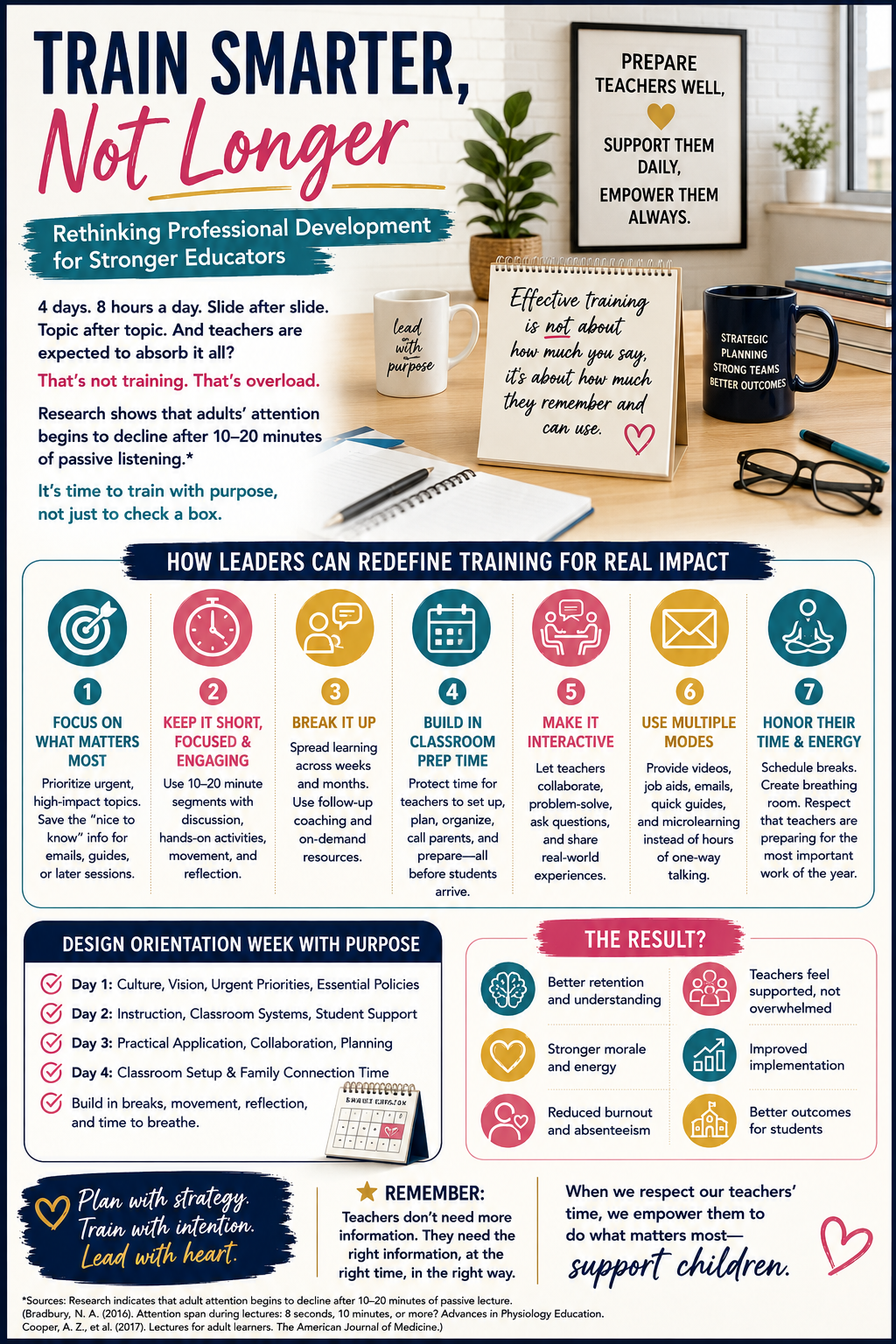


Back-to-school orientation weeks are often overloaded with nonstop trainings, long presentations, and unrealistic expectations for teachers already trying to prepare classrooms and reconnect with families. This blog challenges leaders to rethink professional development by creating shorter, more meaningful training experiences that improve retention, reduce overwhelm, and better support educators before the school year even begins.
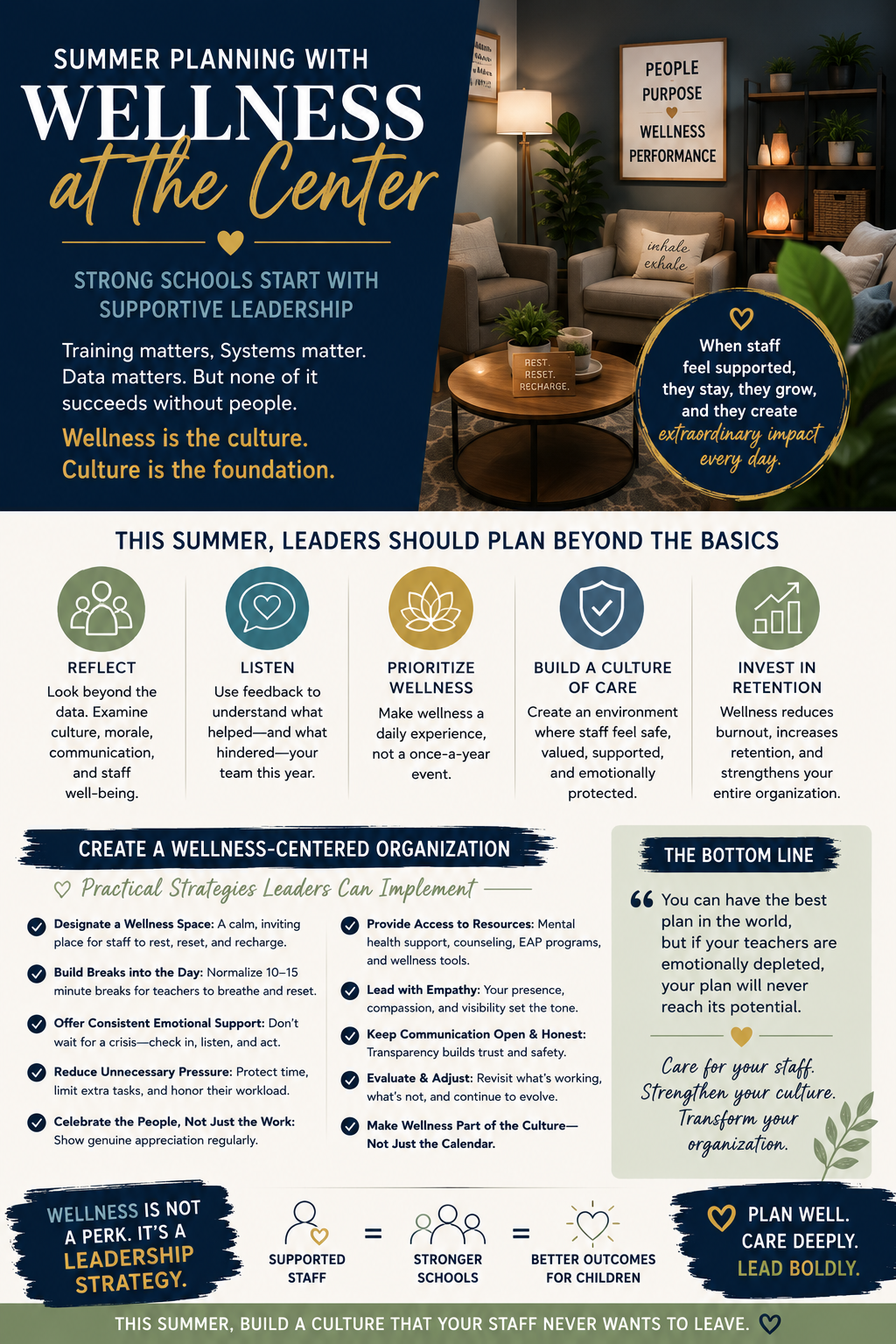
Summer planning should involve more than trainings, data reviews, and classroom preparation. Educational leaders must also reflect on staff morale, organizational culture, burnout, and the emotional well-being of the people carrying the organization every day. This blog explores why sustainable wellness systems, meaningful leadership support, and emotionally safe work environments are essential for stronger schools, healthier staff, and better outcomes for children.
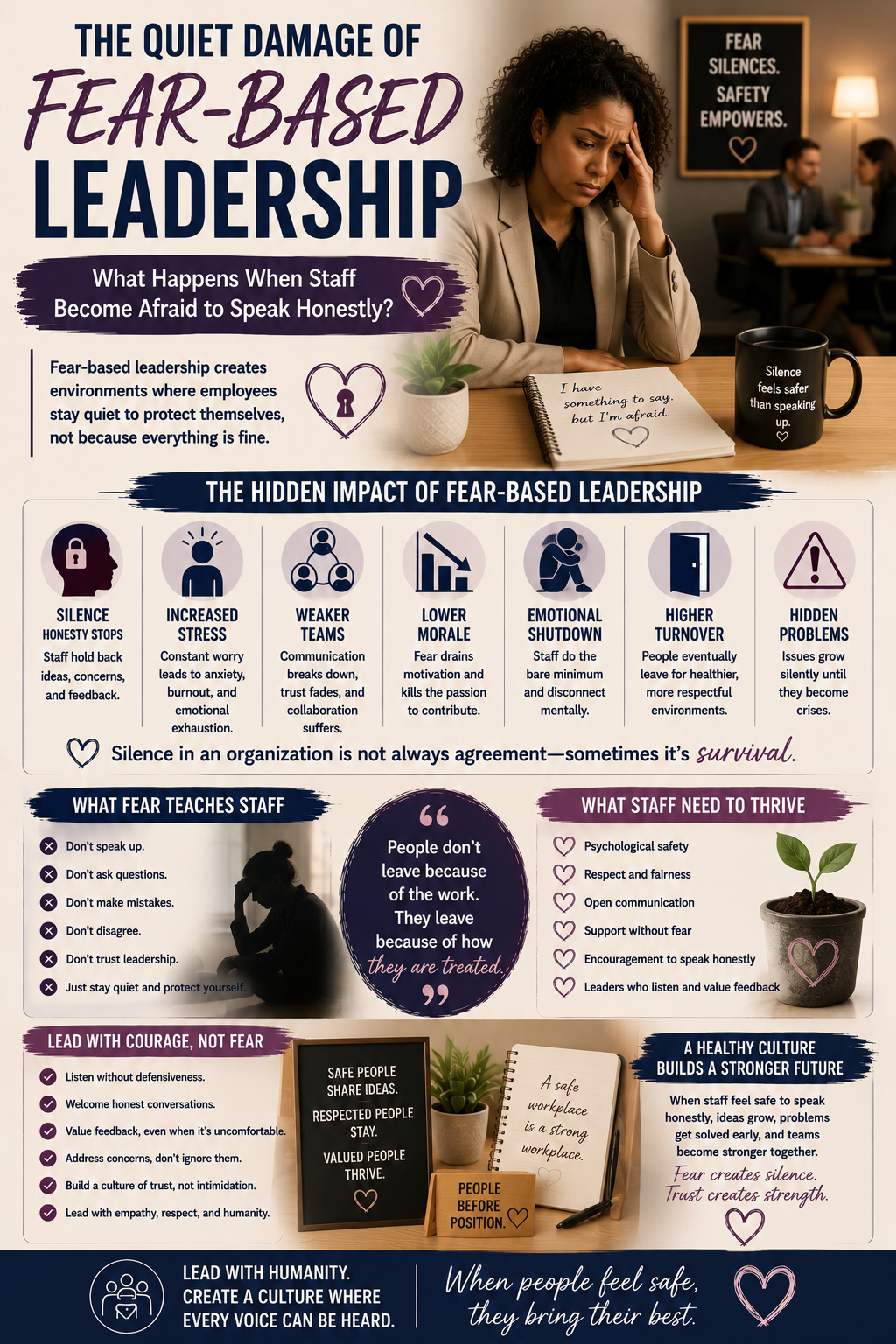
Fear-based leadership often creates quiet workplaces where employees stop speaking honestly, asking questions, or expressing concerns, not because everything is healthy, but because emotional safety no longer exists. In this reflective leadership blog, we explore how fear-driven workplace culture damages trust, communication, morale, collaboration, and emotional wellness, while highlighting the importance of psychological safety and emotionally supportive leadership.
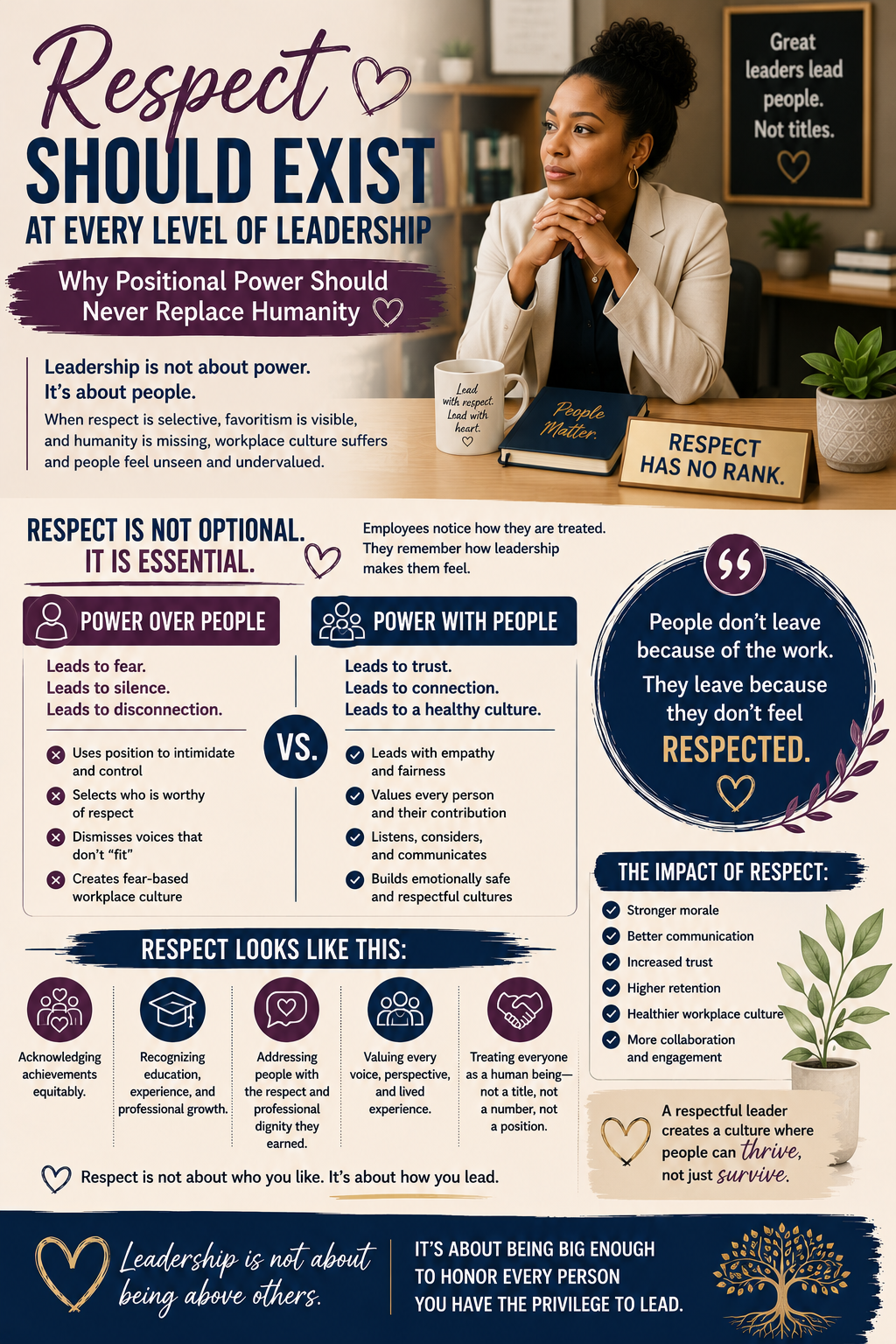
Respect in leadership should never be selective or based on position, favoritism, race, or power. In this reflective leadership blog, we explore how emotionally disconnected leadership, unequal treatment, and fear-based workplace culture damage trust, morale, emotional safety, and workplace relationships — and why true leadership must always remain grounded in humanity, fairness, dignity, and respect for every employee.
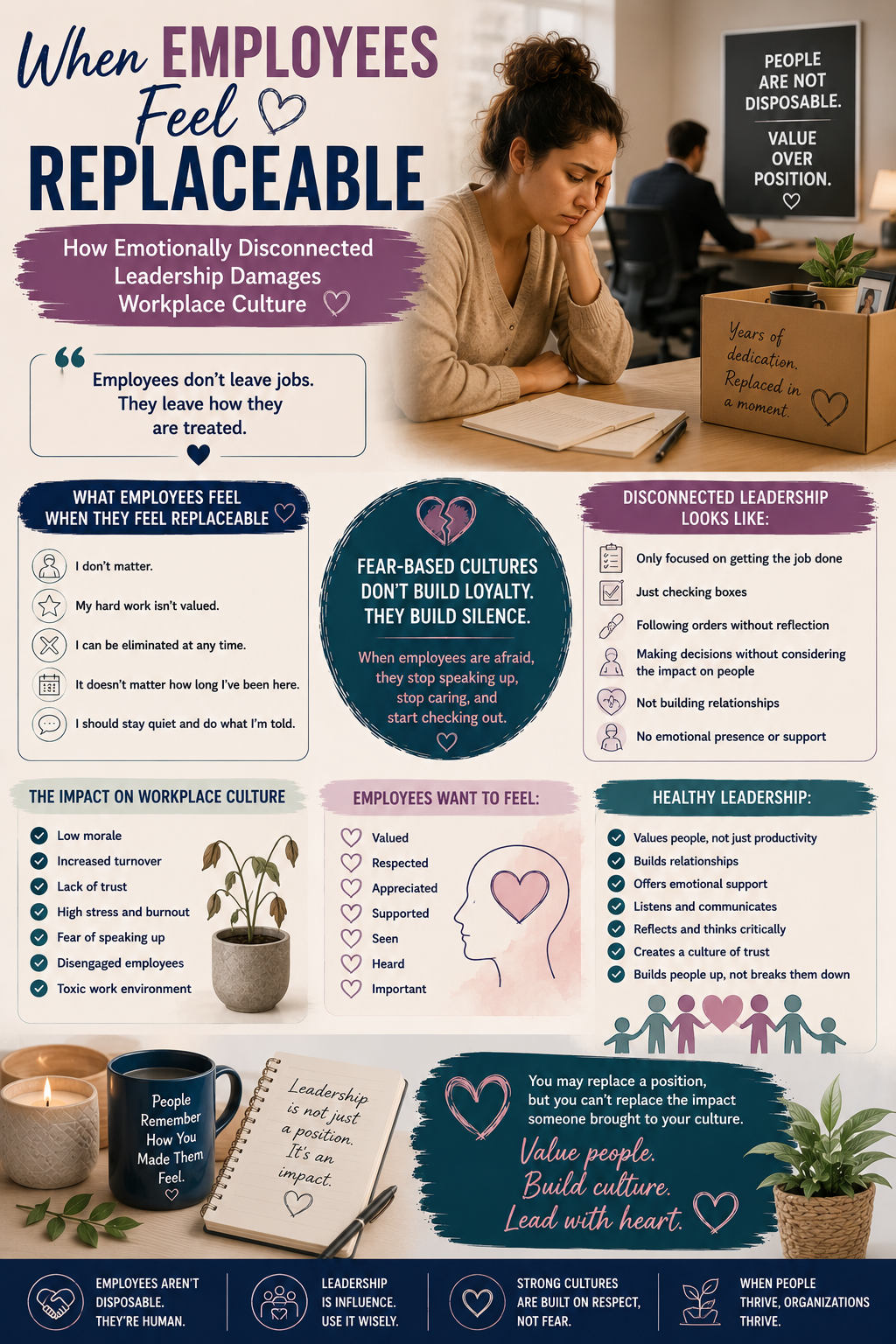
Employees thrive in workplaces where they feel valued, respected, emotionally safe, and connected to leadership. In this reflective leadership blog, we explore how emotionally disconnected leadership, fear-based workplace culture, and treating employees as replaceable can damage morale, trust, emotional safety, and long-term workplace sustainability in educational environments.
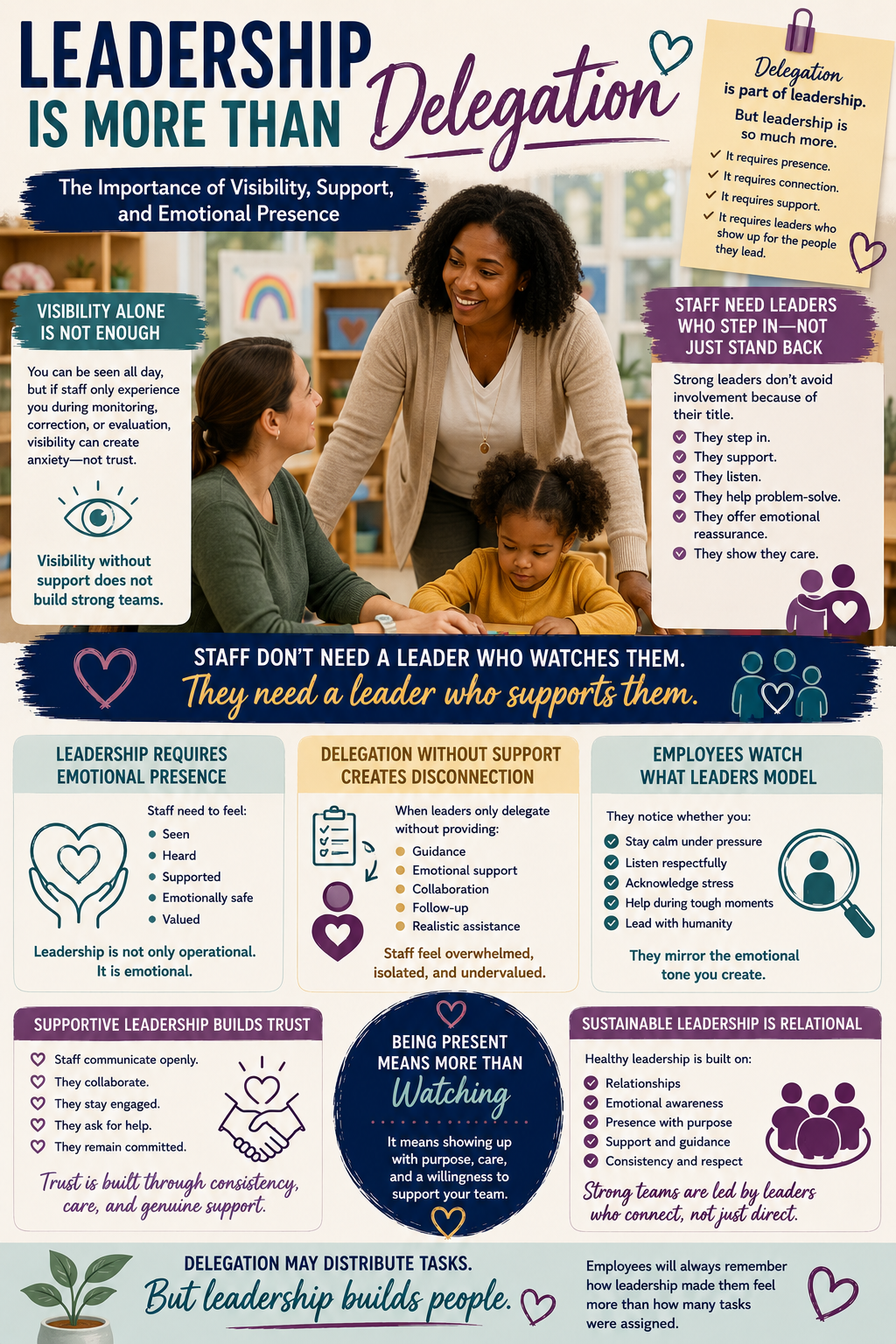
Leadership in education is about far more than assigning tasks and monitoring performance. In this reflective leadership blog, we explore how intentional visibility, emotional presence, support, and relational leadership create stronger workplace culture, healthier teams, and emotionally safe environments where educators feel valued rather than simply managed.
Fresh starts in early learning aren’t about doing more, they’re about doing what matters with intention. This reflection explores how thoughtful learning spaces and purposeful use of data support educator confidence, clarity, and sustainable growth.
Parent-teacher conferences don’t end when the meeting is over, they begin a new stage of partnership. This blog explores how teachers and parents can turn post-conference conversations into simple, meaningful goals that guide children’s growth both at school and at home.
Readers will learn how to reflect on conference insights, create shared action steps, keep communication going, and celebrate progress together. With practical strategies and research-backed ideas, this article reminds educators and families that the most powerful learning happens when collaboration continues beyond the classroom.