
Featured
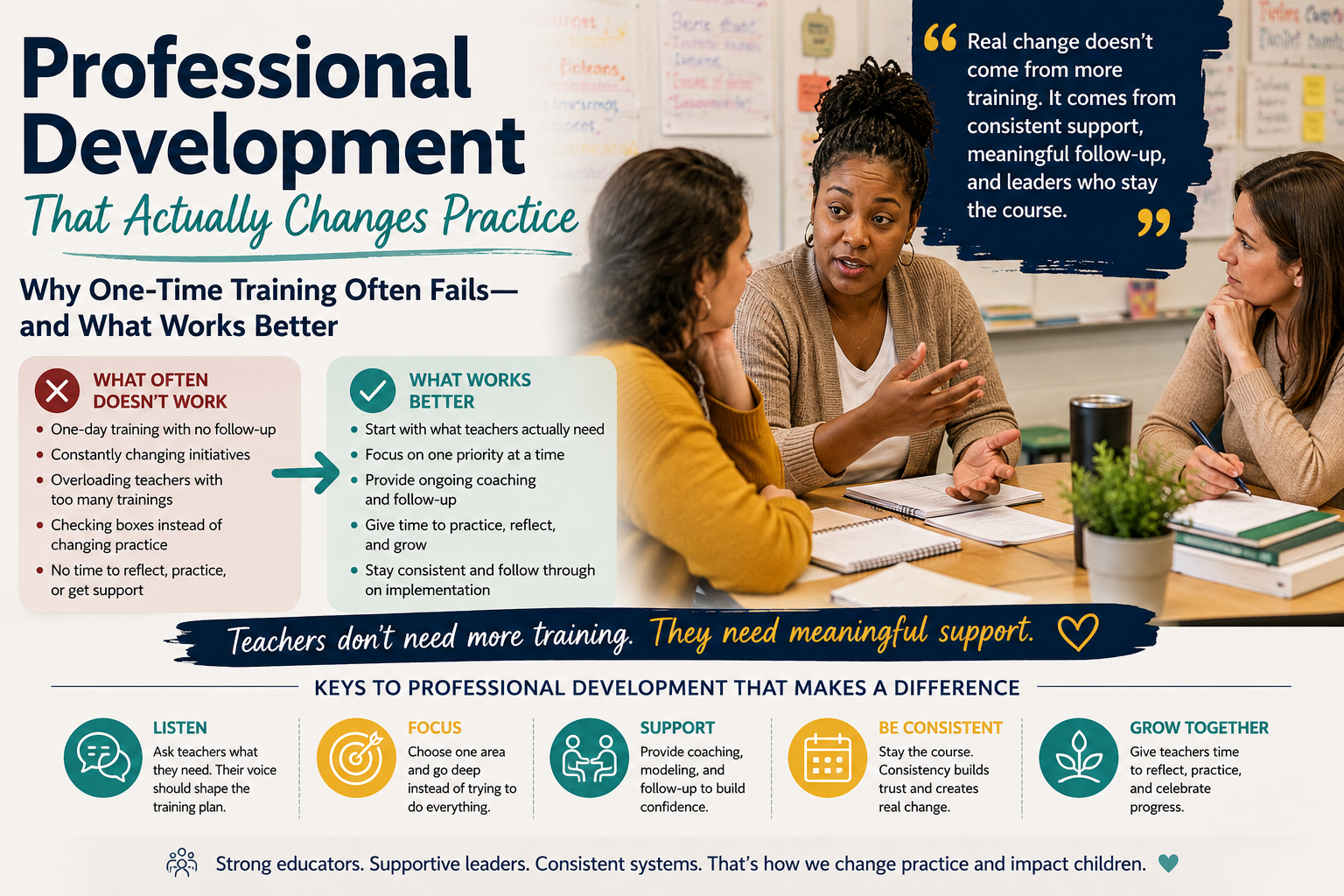

Professional development should strengthen educators, improve classroom quality, and create sustainable growth, not overwhelm teachers with endless trainings that lack follow-up and consistency. In this reflective leadership blog, we explore why one-time training often fails, how constant initiative changes impact educators, and what administrators can do to create meaningful professional development that truly changes classroom practice over time.
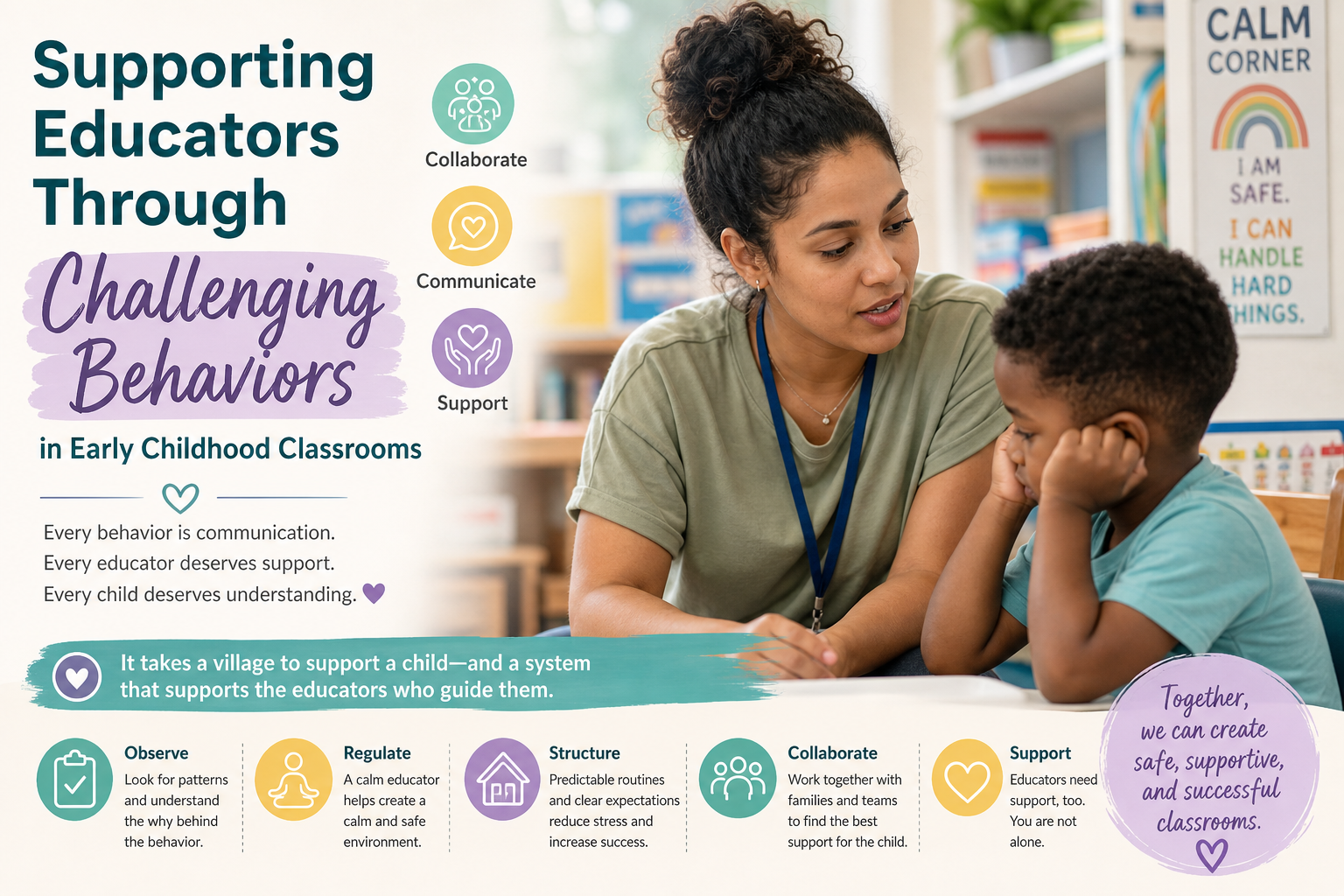
Supporting children with challenging behaviors in early childhood classrooms requires more than quick fixes or temporary solutions. It requires collaboration, consistency, emotional awareness, and strong educator support systems. In this reflective professional development blog, we explore practical strategies educators and leaders can use to better understand behavior, support classroom regulation, partner with families, and build collaborative intervention teams that help both children and teachers thrive.
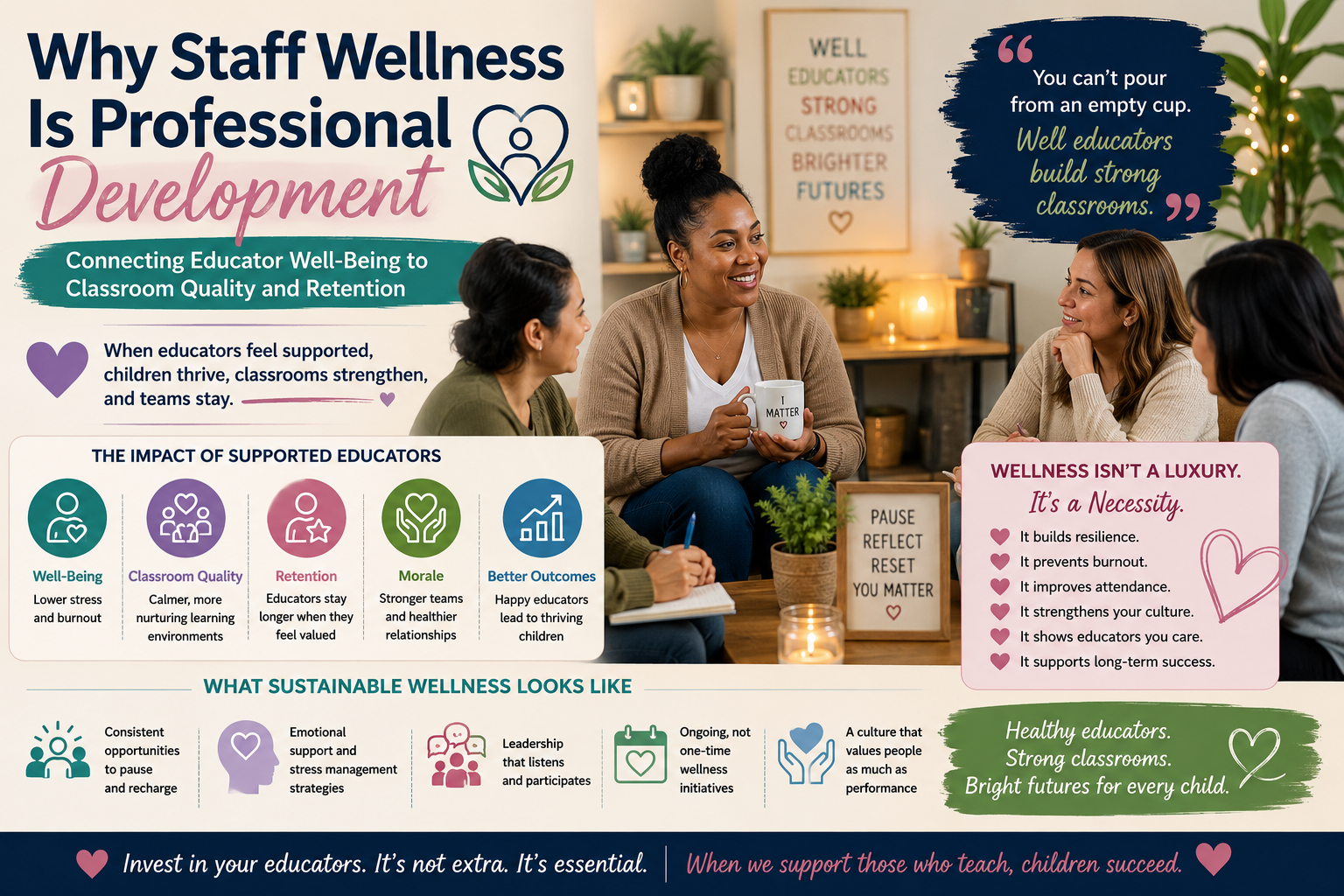
Staff wellness is often treated as an optional extra in education, but educator well-being directly impacts classroom quality, morale, retention, and emotional sustainability. In this reflective leadership blog, we explore why staff wellness should be recognized as ongoing professional development, how burnout affects educators and school culture, and why sustainable leadership must prioritize the emotional health of the people caring for children every day.
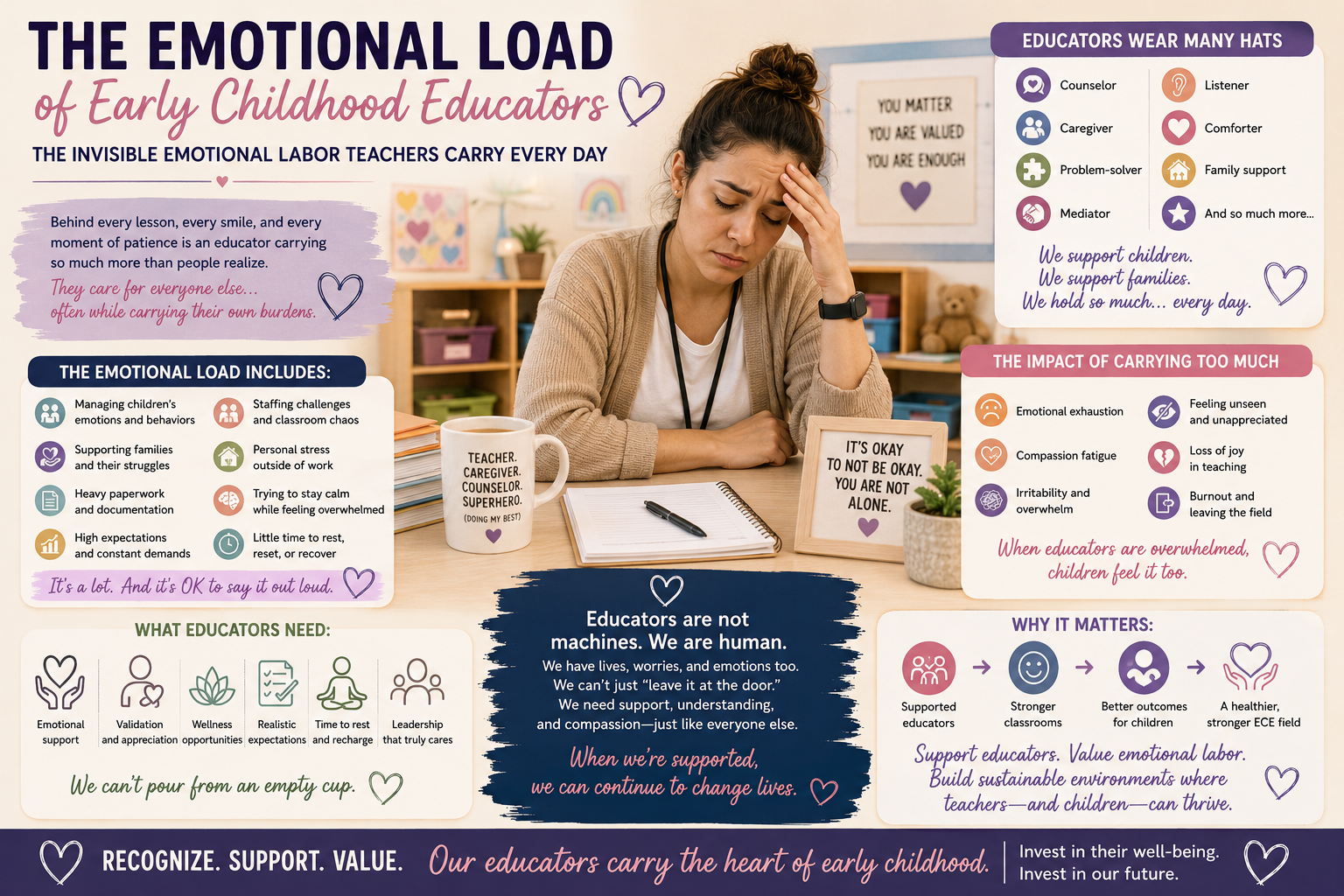
Early childhood educators carry far more than lesson plans and classroom responsibilities. Every day, teachers absorb children’s emotions, support families through stress, manage challenging behaviors, navigate overwhelming expectations, and often suppress their own emotional exhaustion in the process. In this reflective leadership blog, we explore the invisible emotional labor educators carry, the impact it has on classroom quality and staff retention, and why sustainable emotional wellness support is essential in early childhood education.
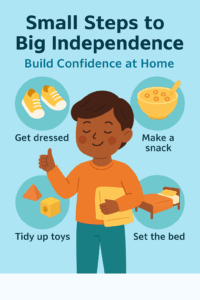
Helping kids do small tasks on their own, like putting on shoes, packing bags, or choosing clothes, builds confidence and independence. Simple steps like a morning chart, giving choices, and letting them help with chores create a sense of responsibility. Praise their effort (not just results) to foster a growth mindset and keep them motivated.