
Featured
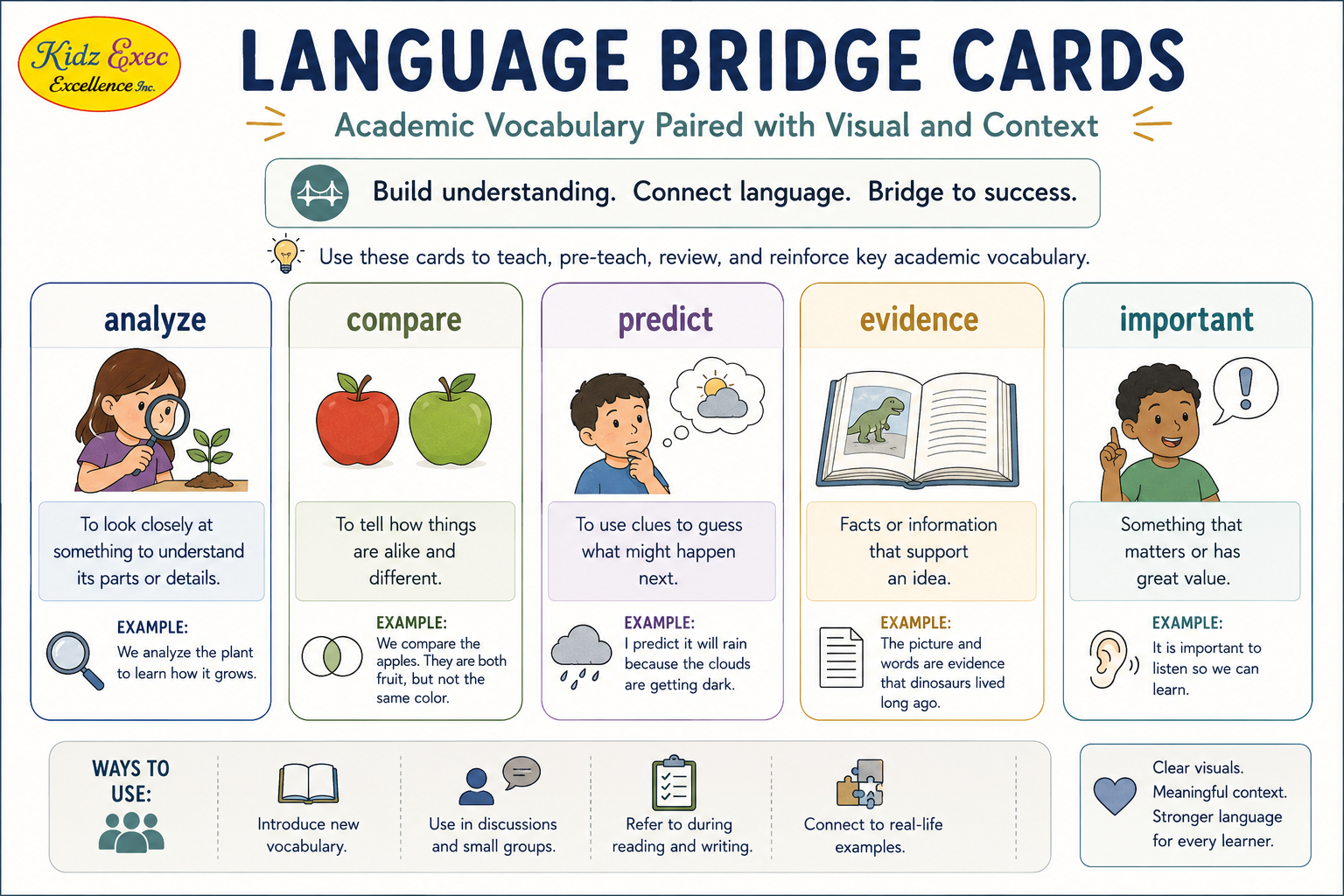

The Language Bridge Cards help K–3 dual language learners connect academic vocabulary with visuals and meaningful context.
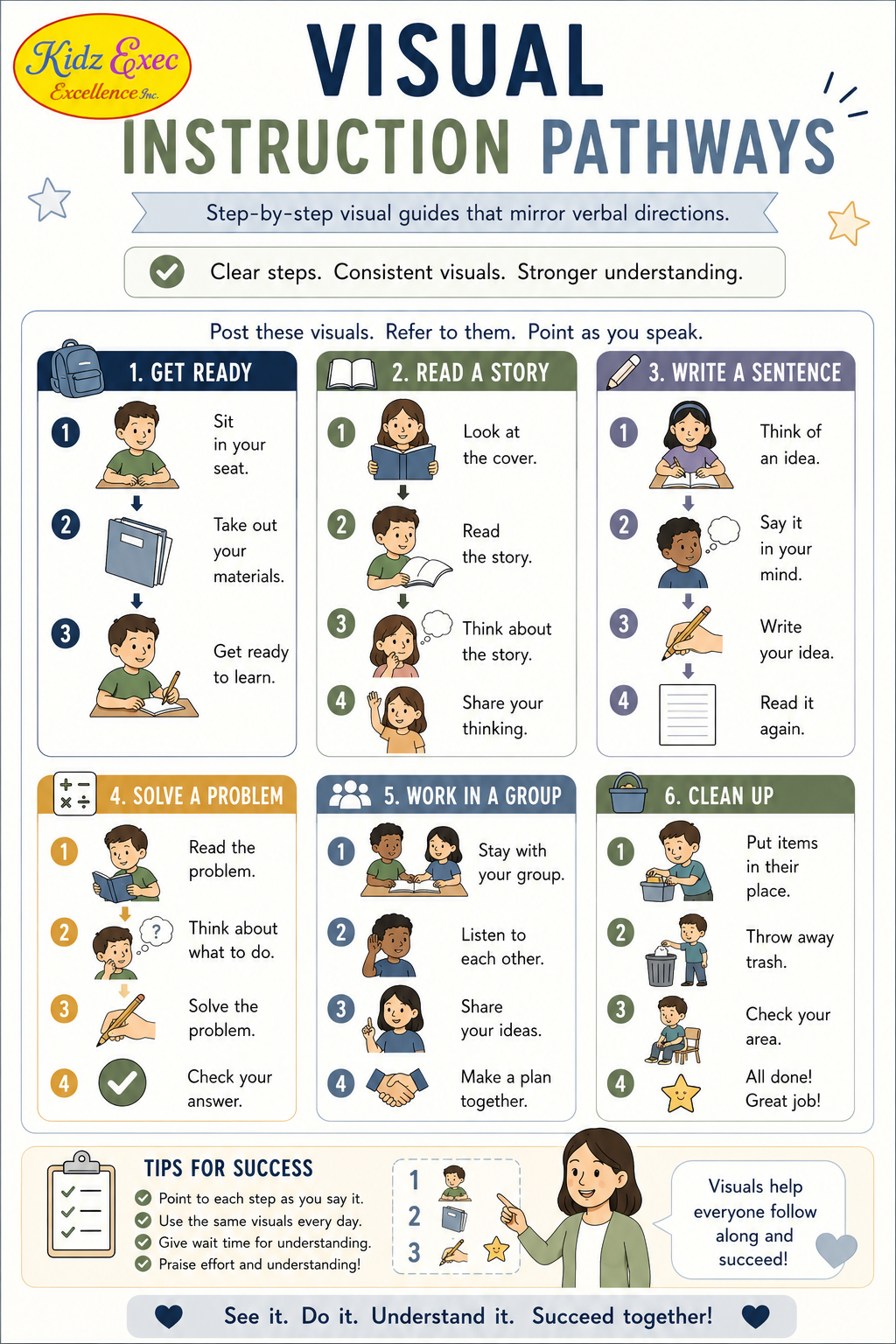
The Visual Instruction Pathways help K–3 dual language learners follow classroom directions through step-by-step visual supports.
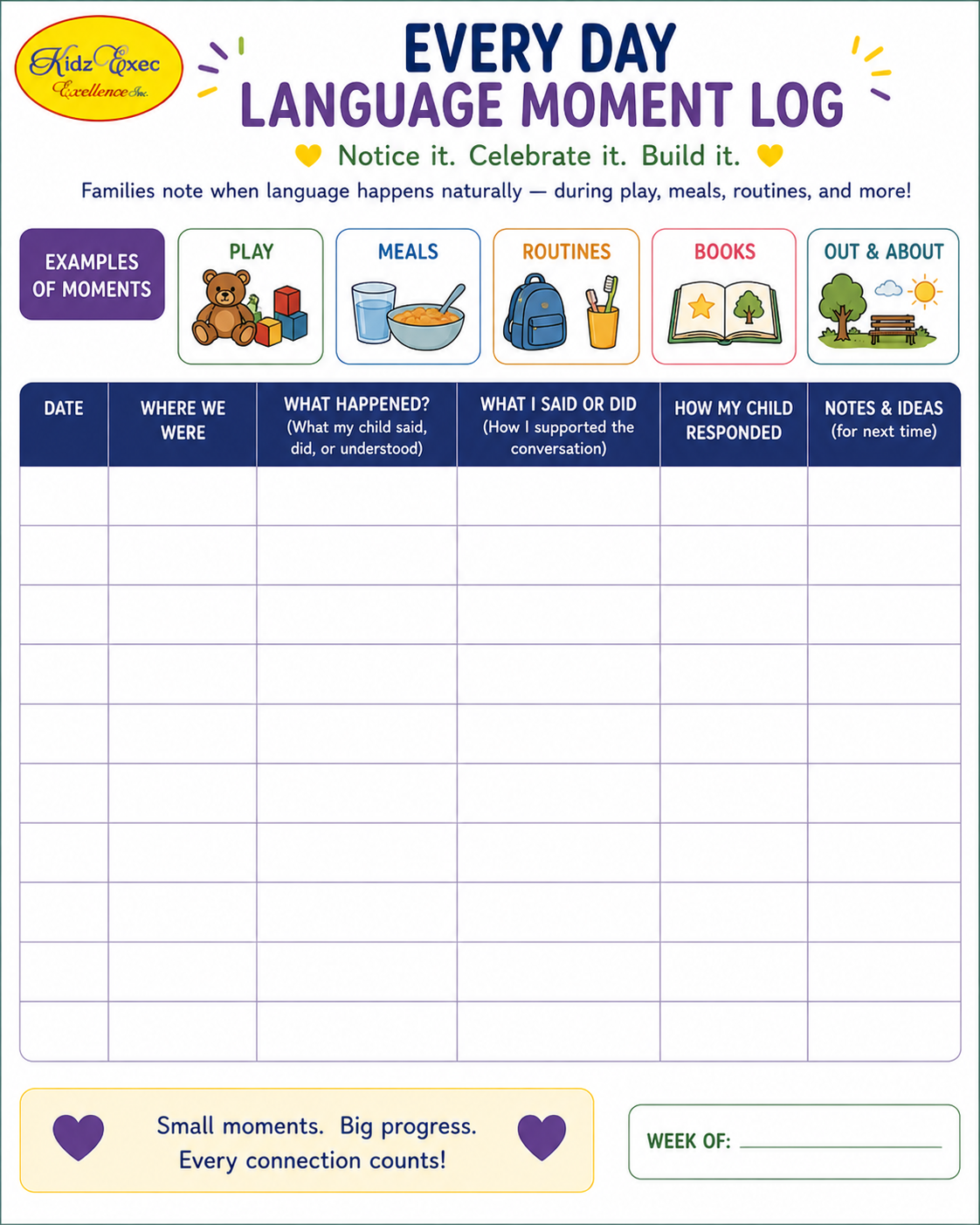
The Everyday Language Moment Logs help families notice and celebrate natural communication moments during routines, play, and meals.
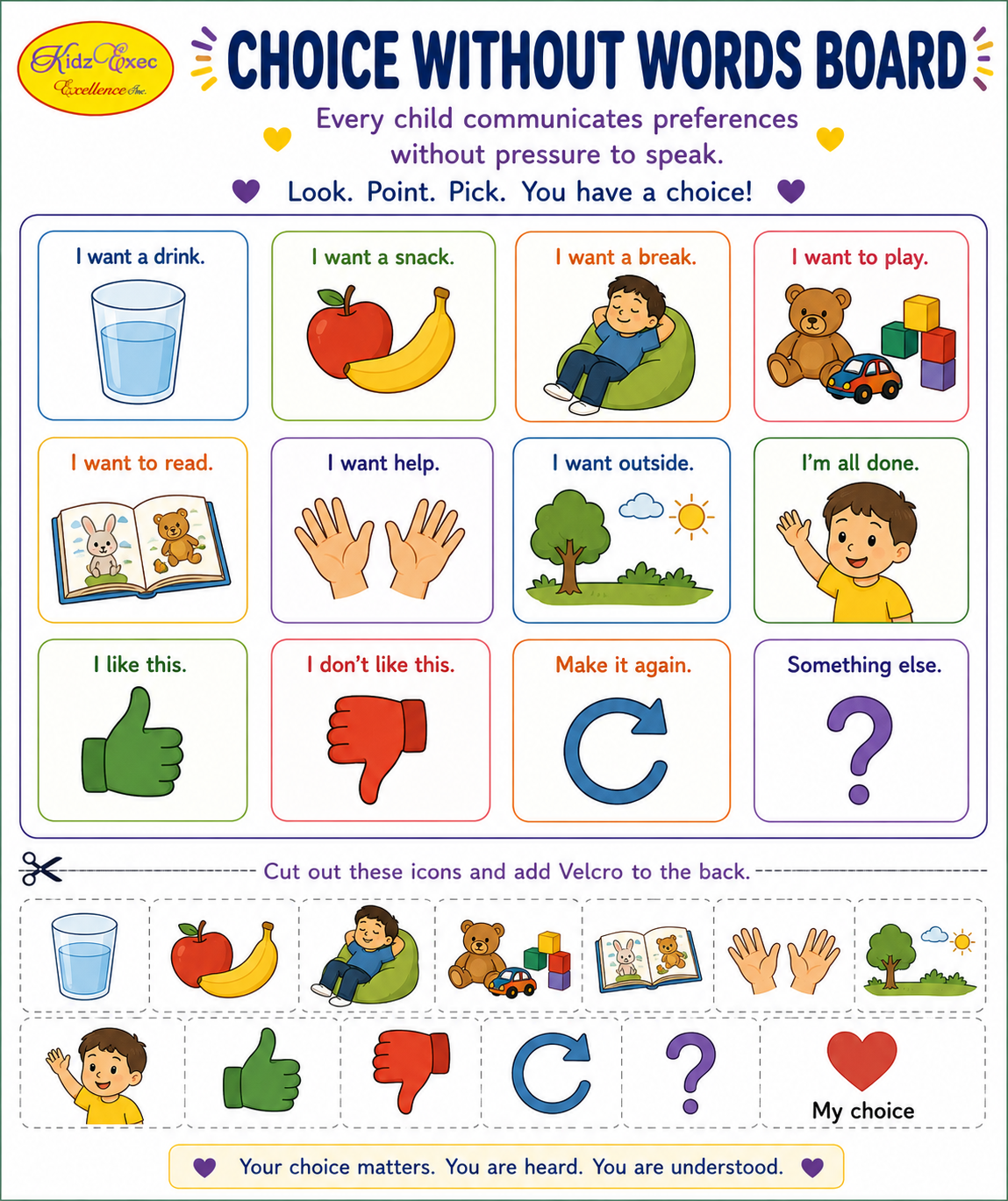
The True Choice Without Words Board helps children communicate preferences without pressure to verbally respond.
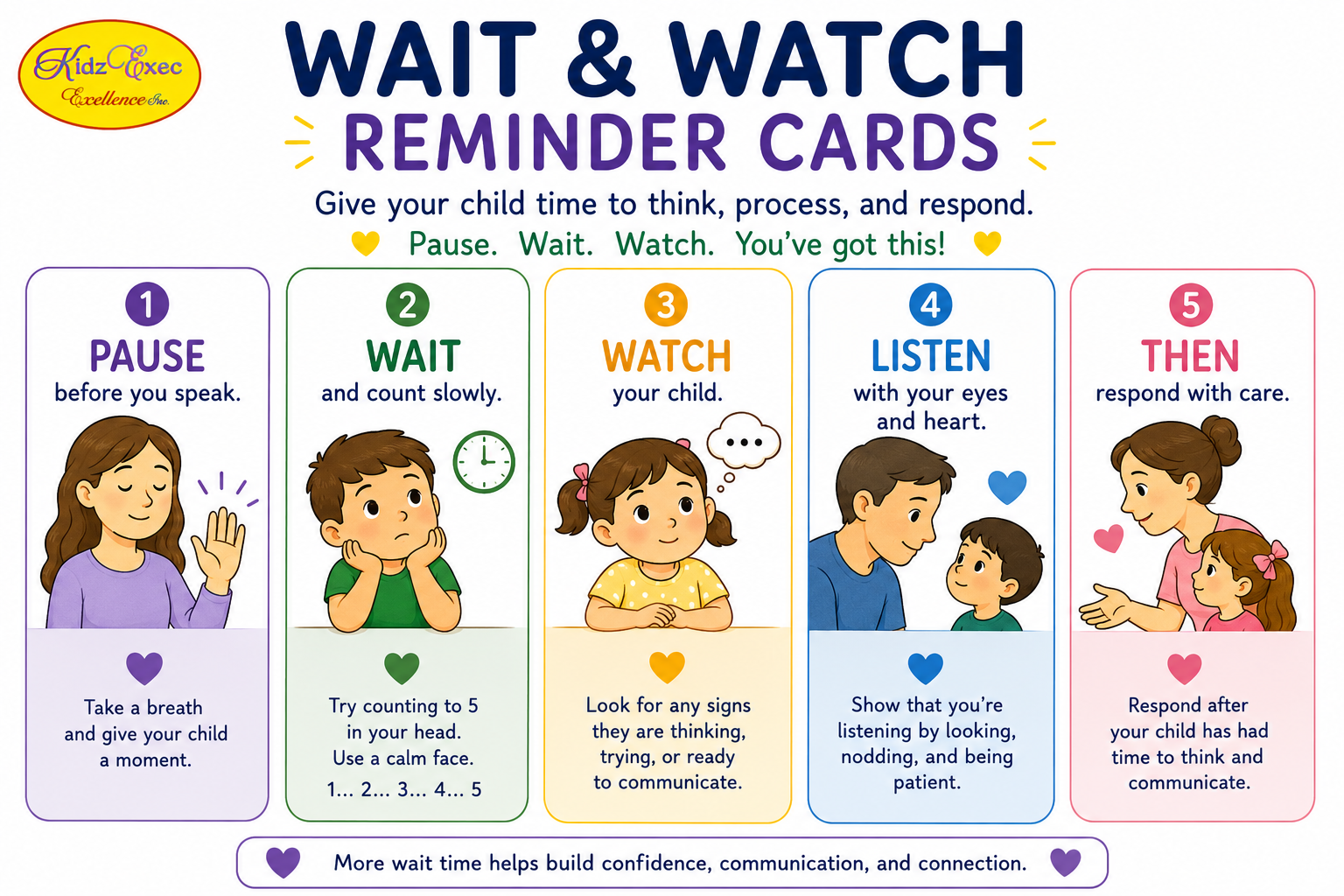
The Wait and Watch Reminder Cards help families create supportive pause time before speaking for a child with speech needs.
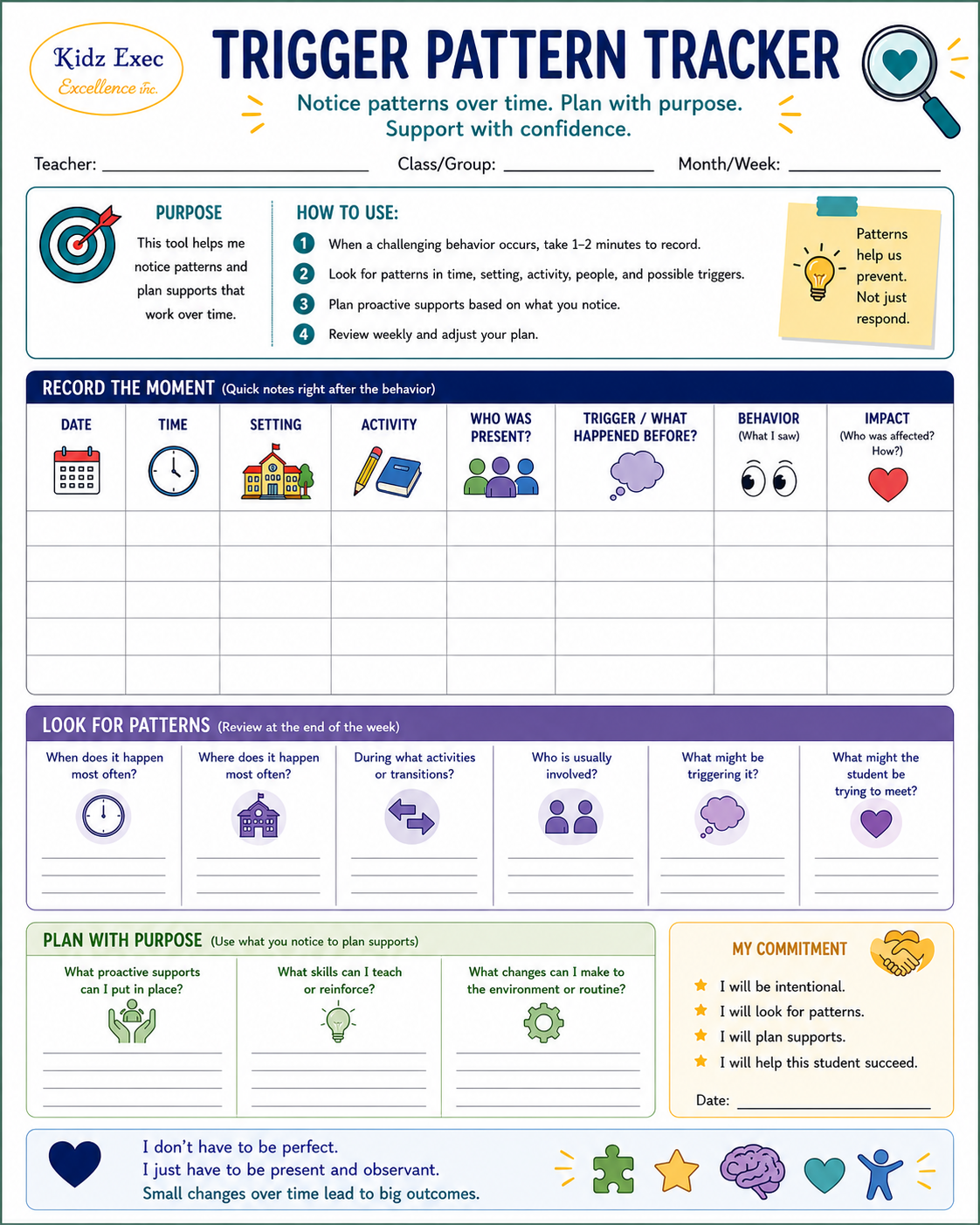
The Trigger Pattern Tracker helps K–3 educators identify behavior patterns over time instead of reacting only in the moment.
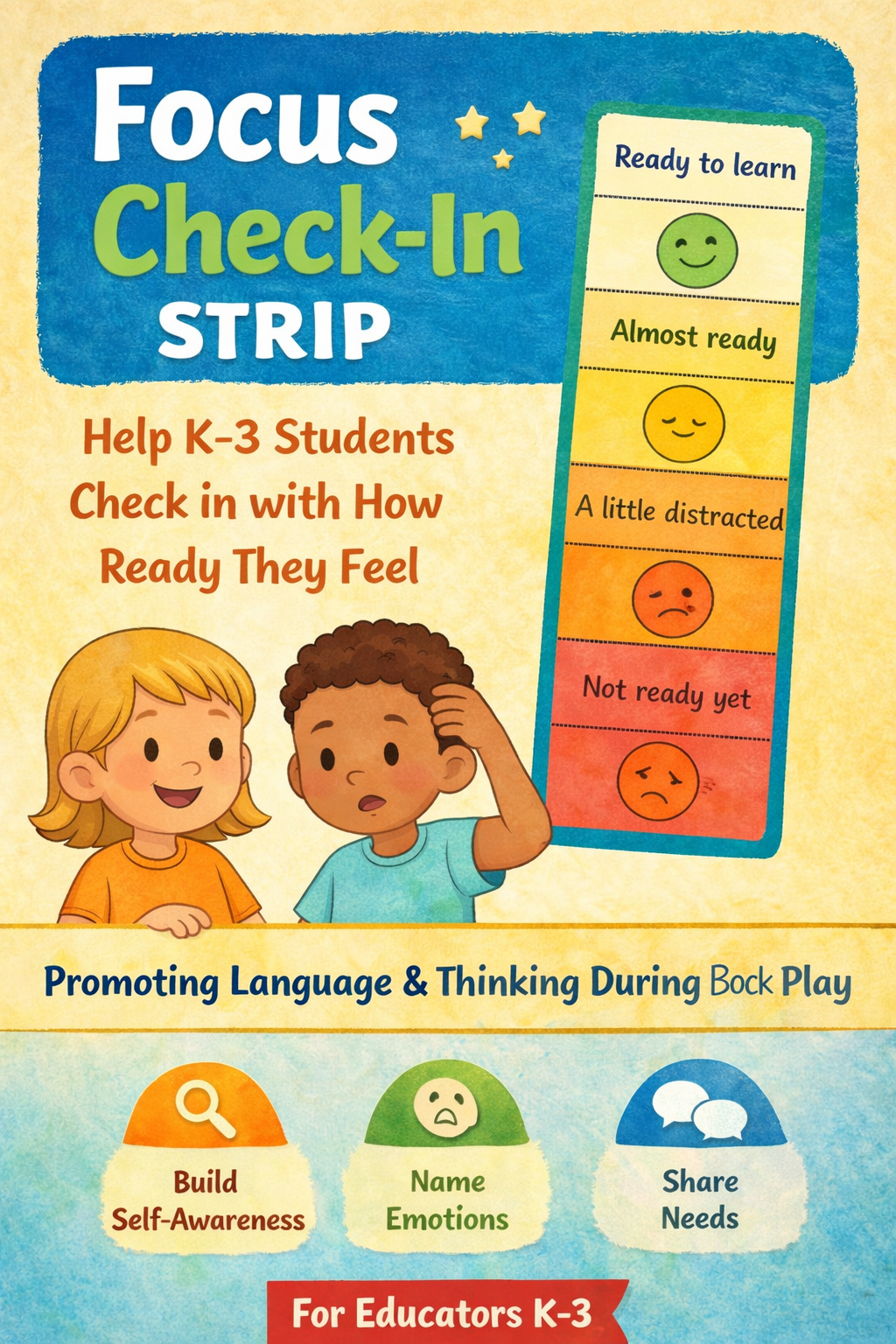
The Choice-Based Regulation Menu helps K–3 students proactively choose calming supports before emotions escalate.
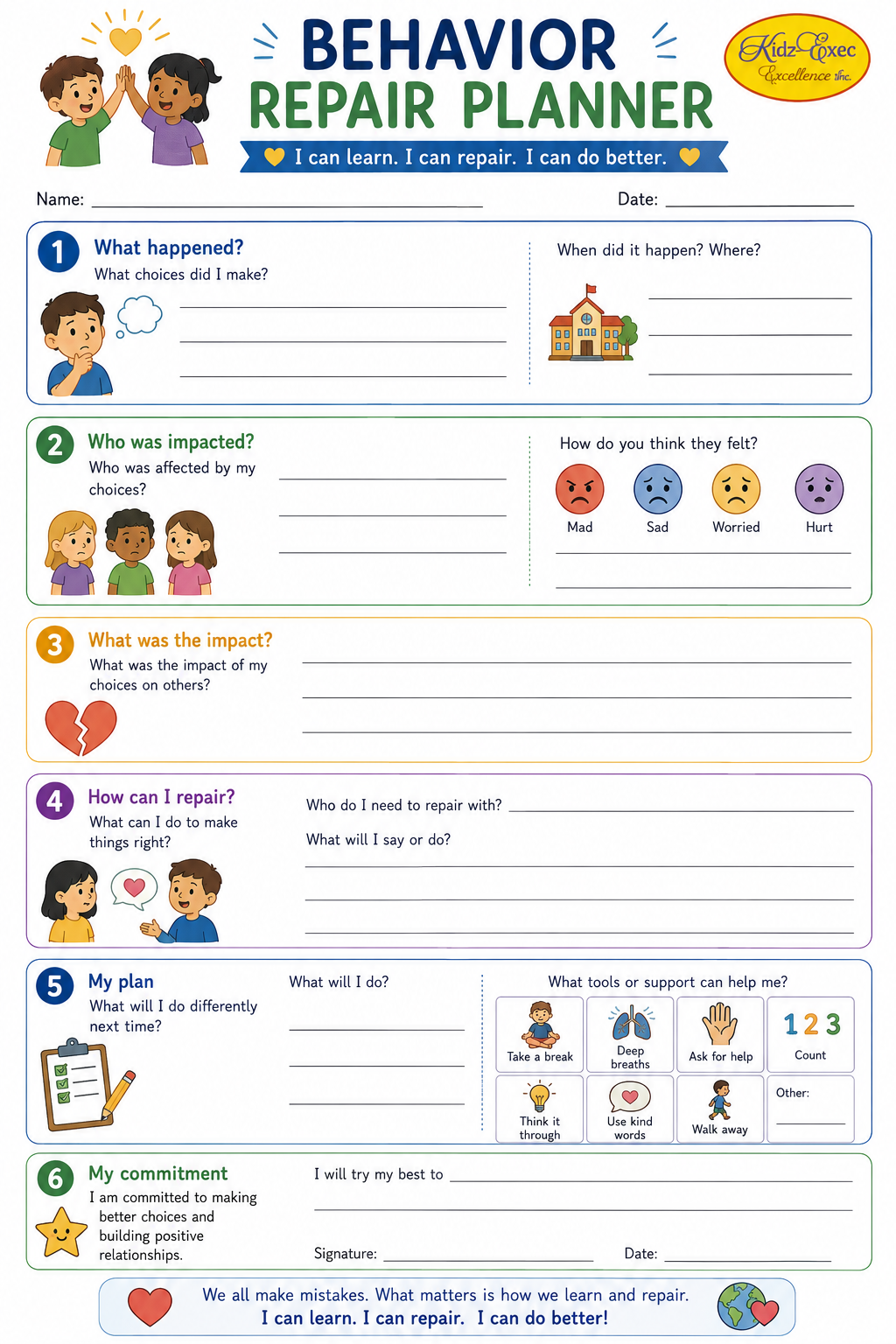
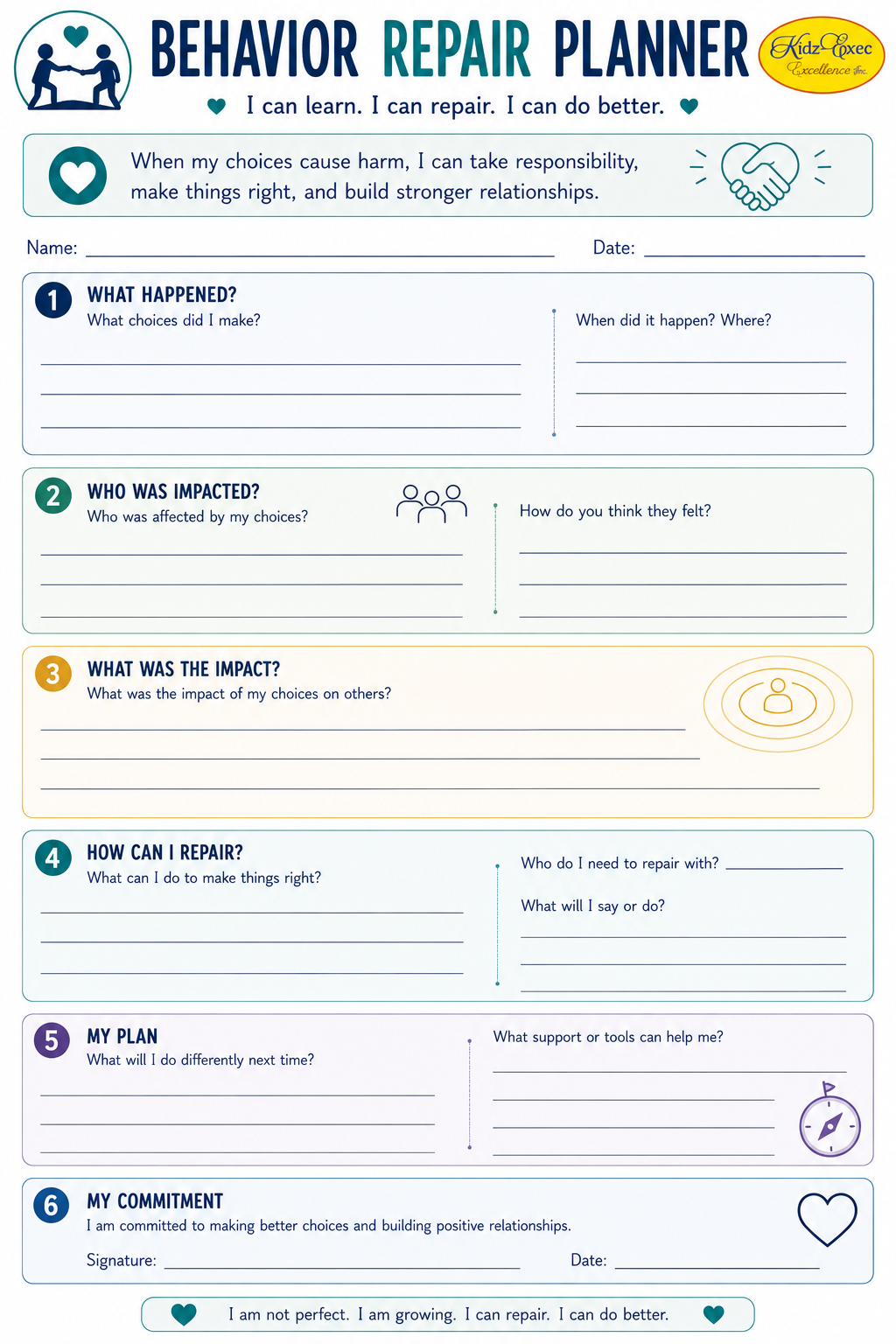
The Behavior Repair Planner helps K–3 students reflect on behavior impact and identify meaningful ways to repair relationships.
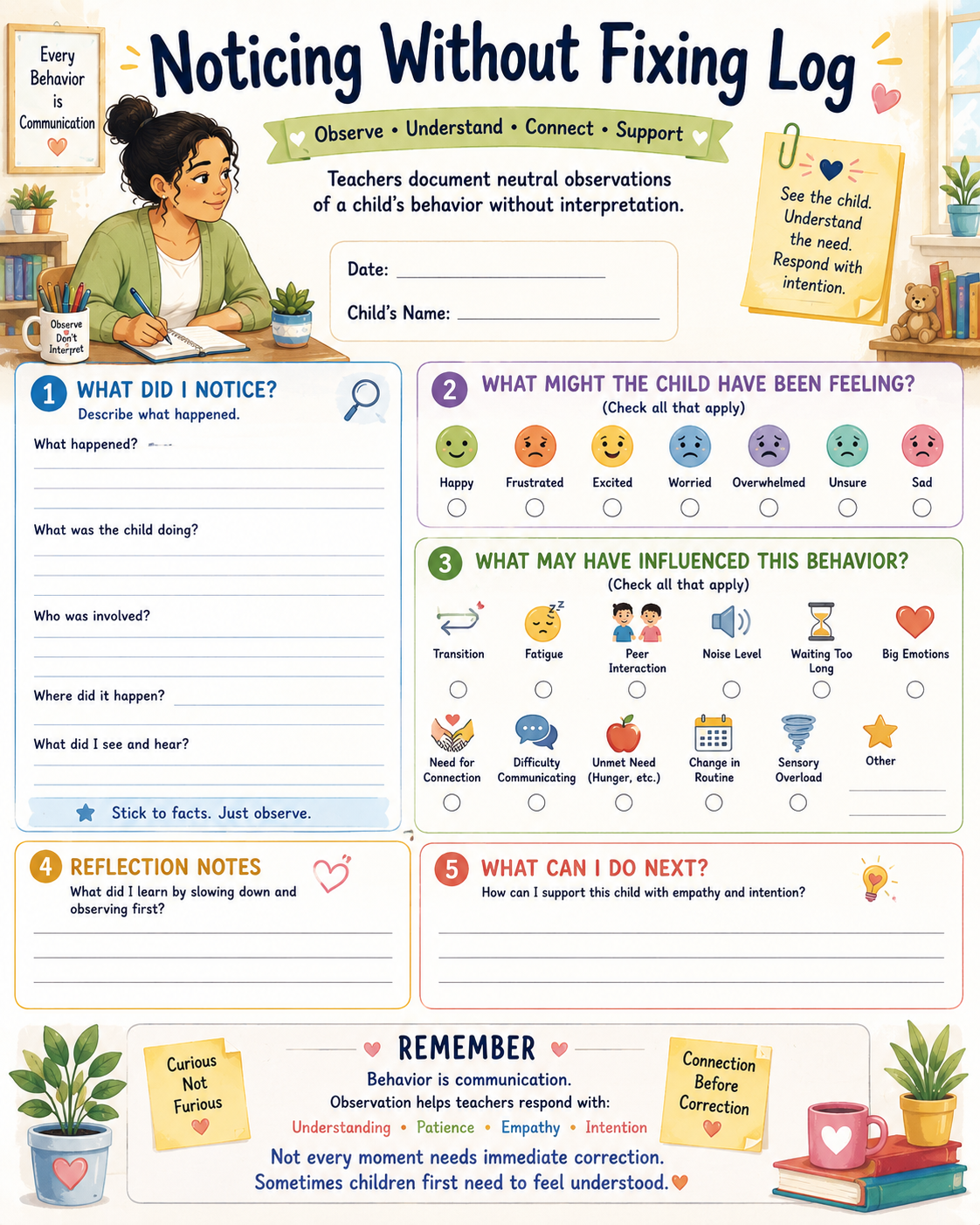
The Noticing Without Fixing Log helps preschool educators practice neutral observation of children’s behavior without immediate interpretation or correction.
The Pause Before Redirect Cue reminds preschool educators to connect through gesture, proximity, and acknowledgment before correcting behavior.
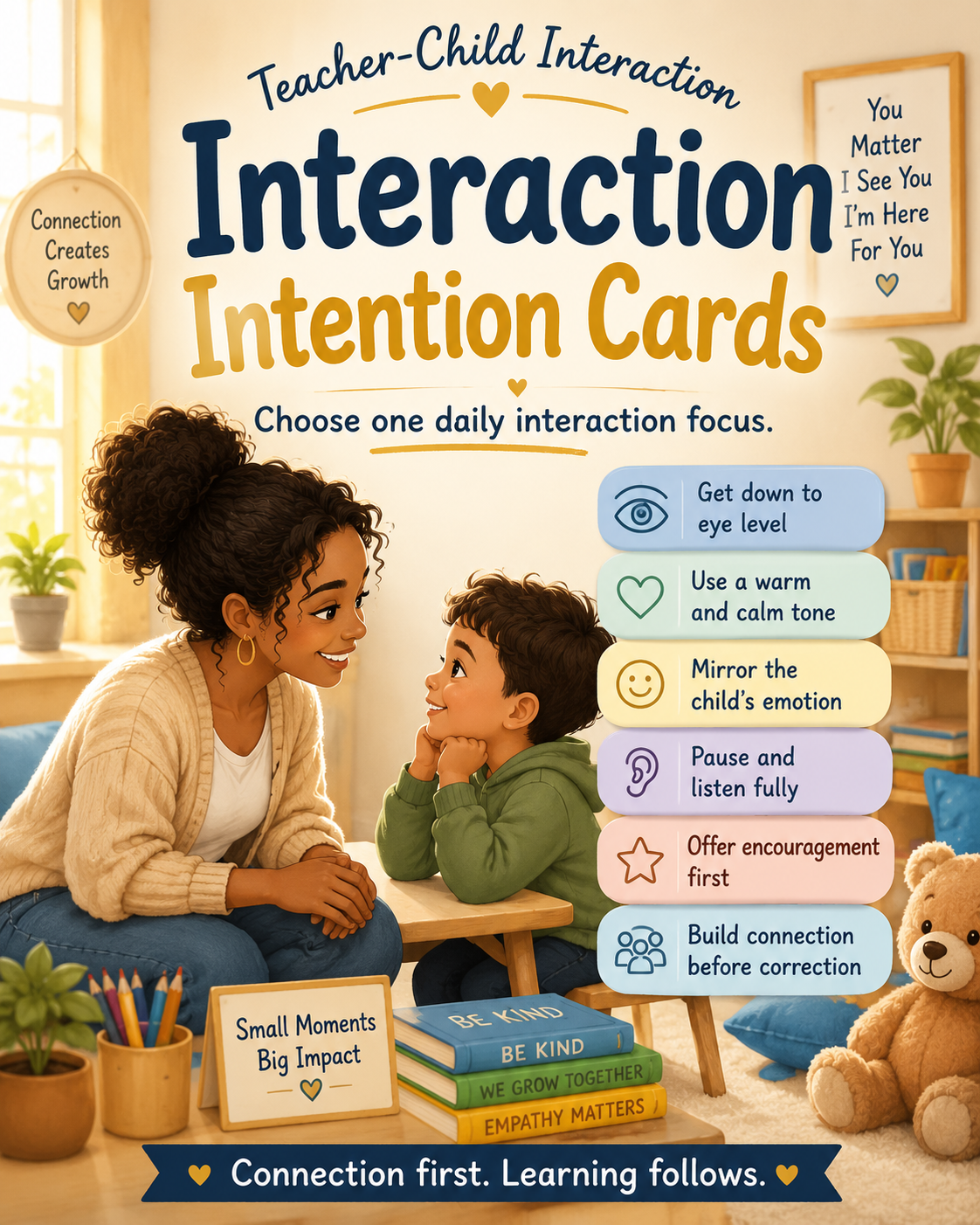
The Interaction Intention Cards help preschool educators focus on meaningful daily connection strategies like eye level communication, mirroring, and warm tone.
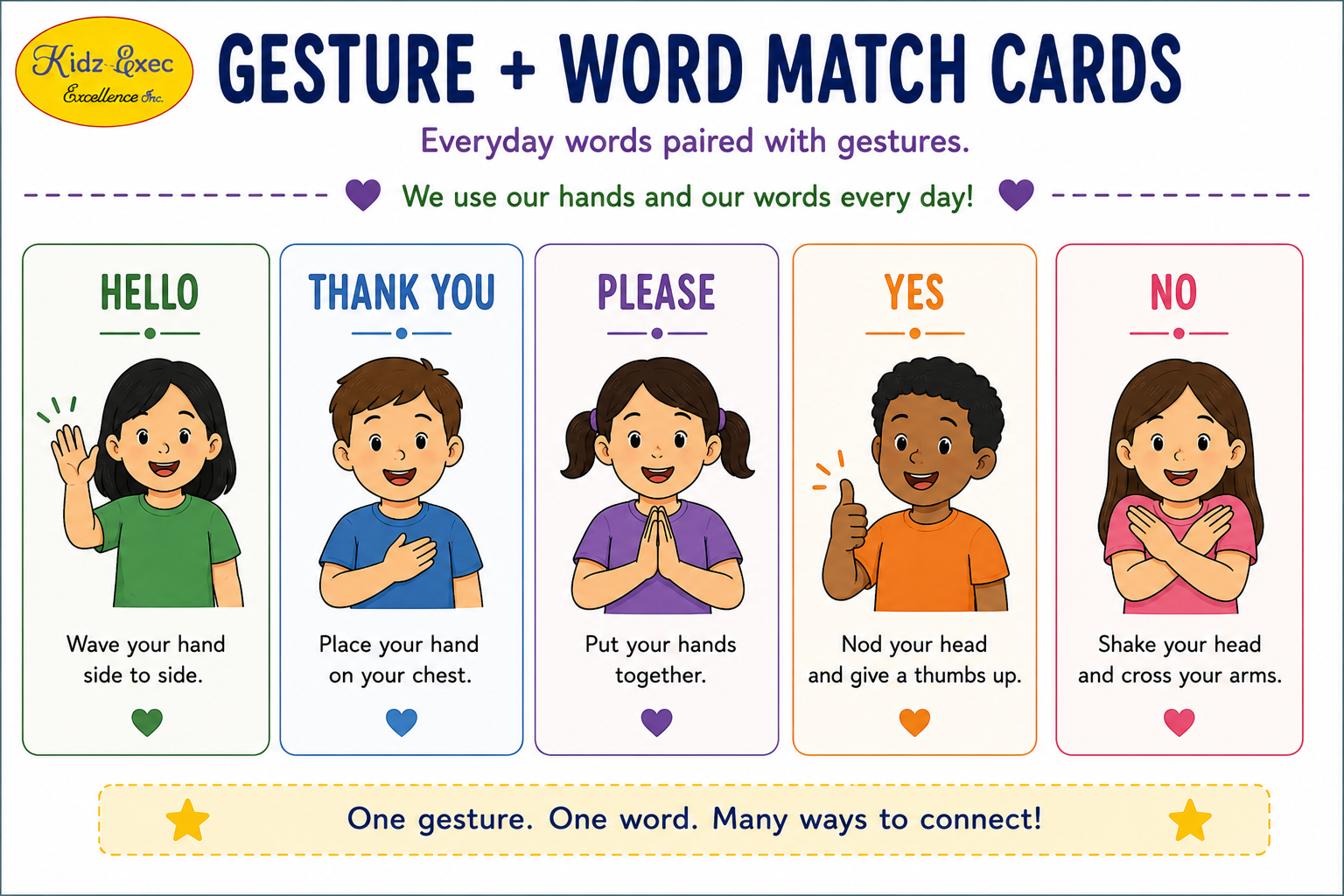
Gesture Plus Word Match Cards help dual language learners connect everyday words with gestures and meaning through playful family interaction.
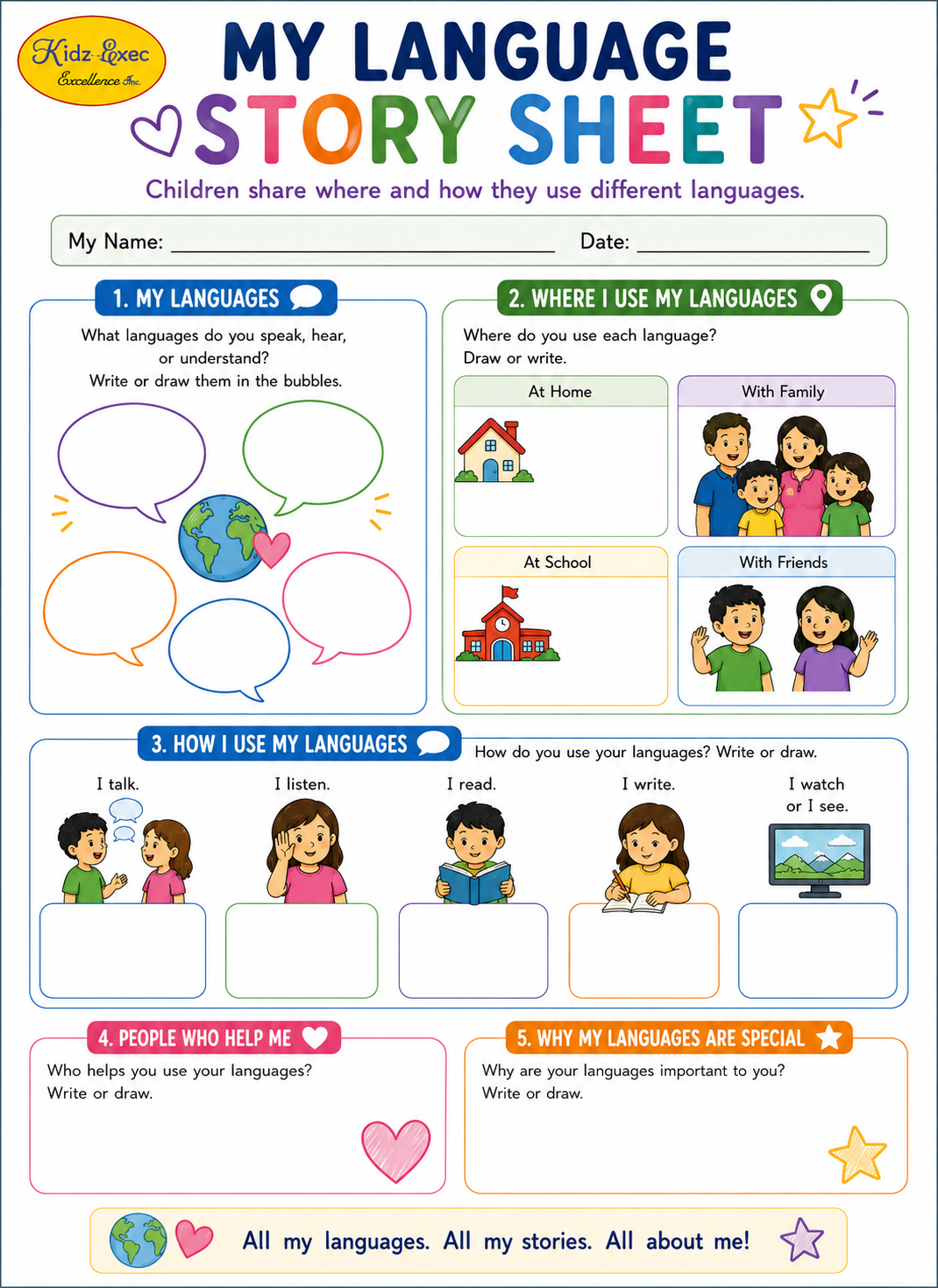
The My Language Story Sheet helps children reflect on where and how they use different languages in their daily lives.
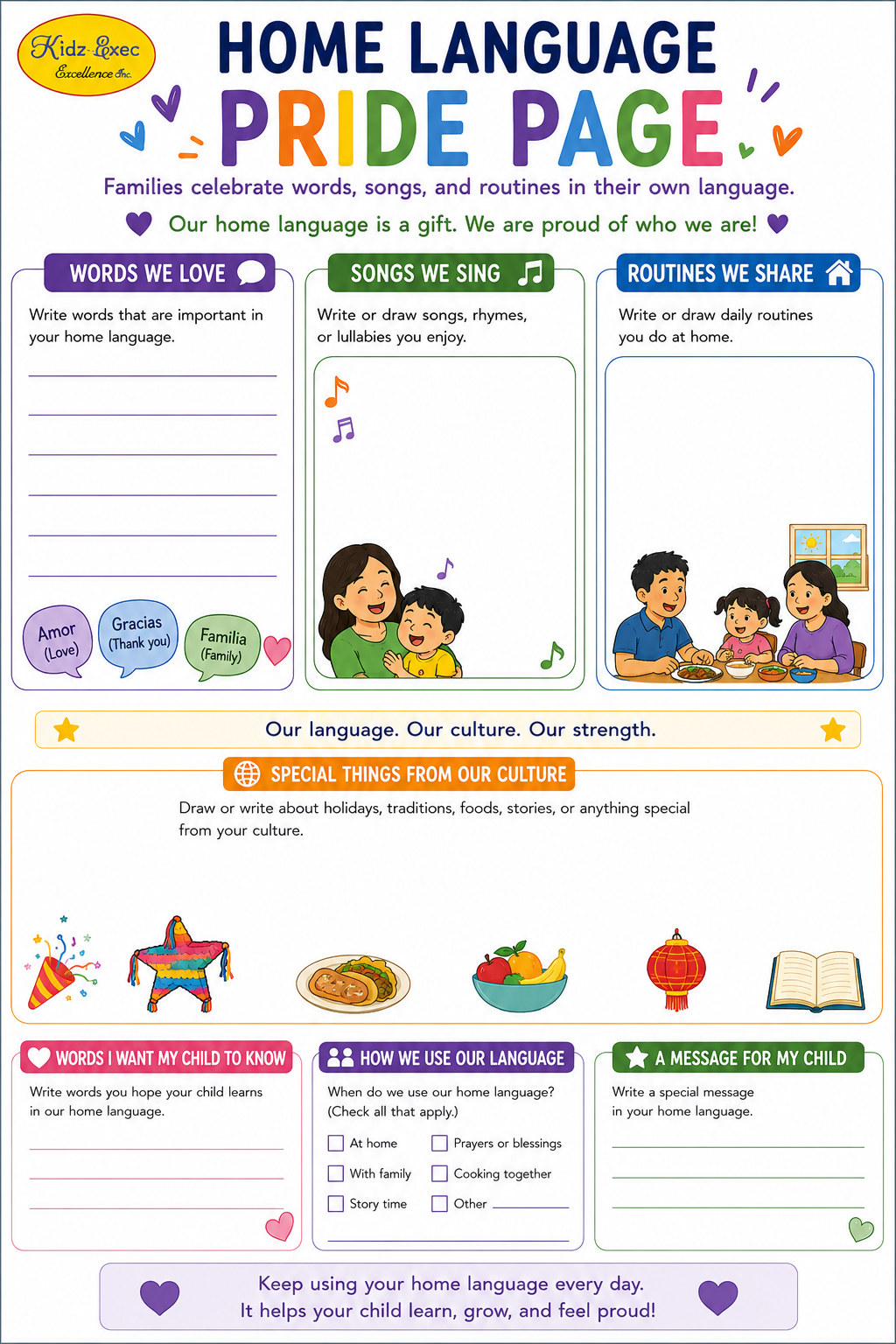
The Home Language Pride Page helps families celebrate words, songs, and routines in their home language while supporting identity and connection.
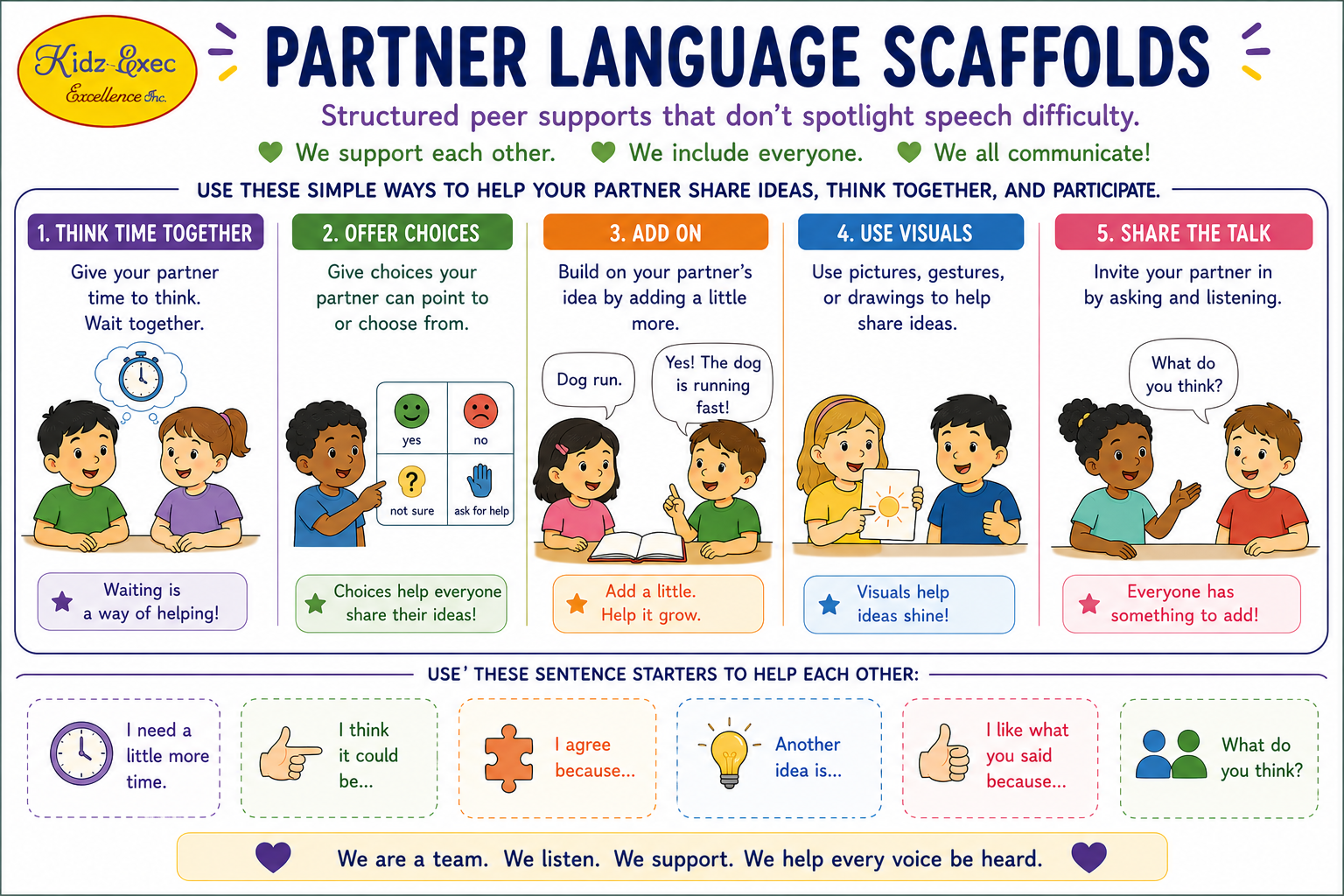
Partner Language Scaffolds help K–3 educators provide respectful peer support for children with speech needs without creating unwanted attention.
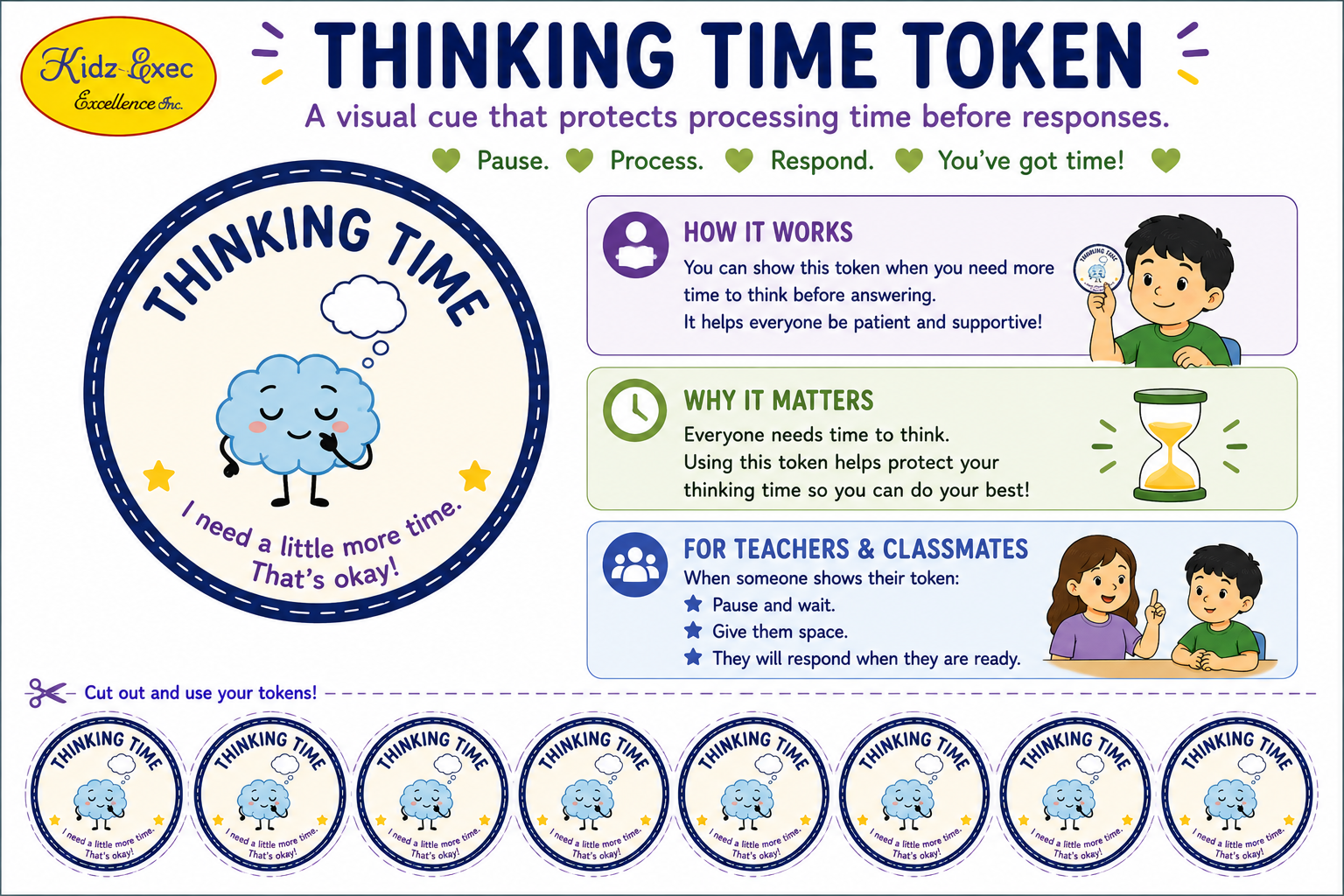
The Think Time Token helps protect processing time for students with speech needs by providing a visual cue for response support.
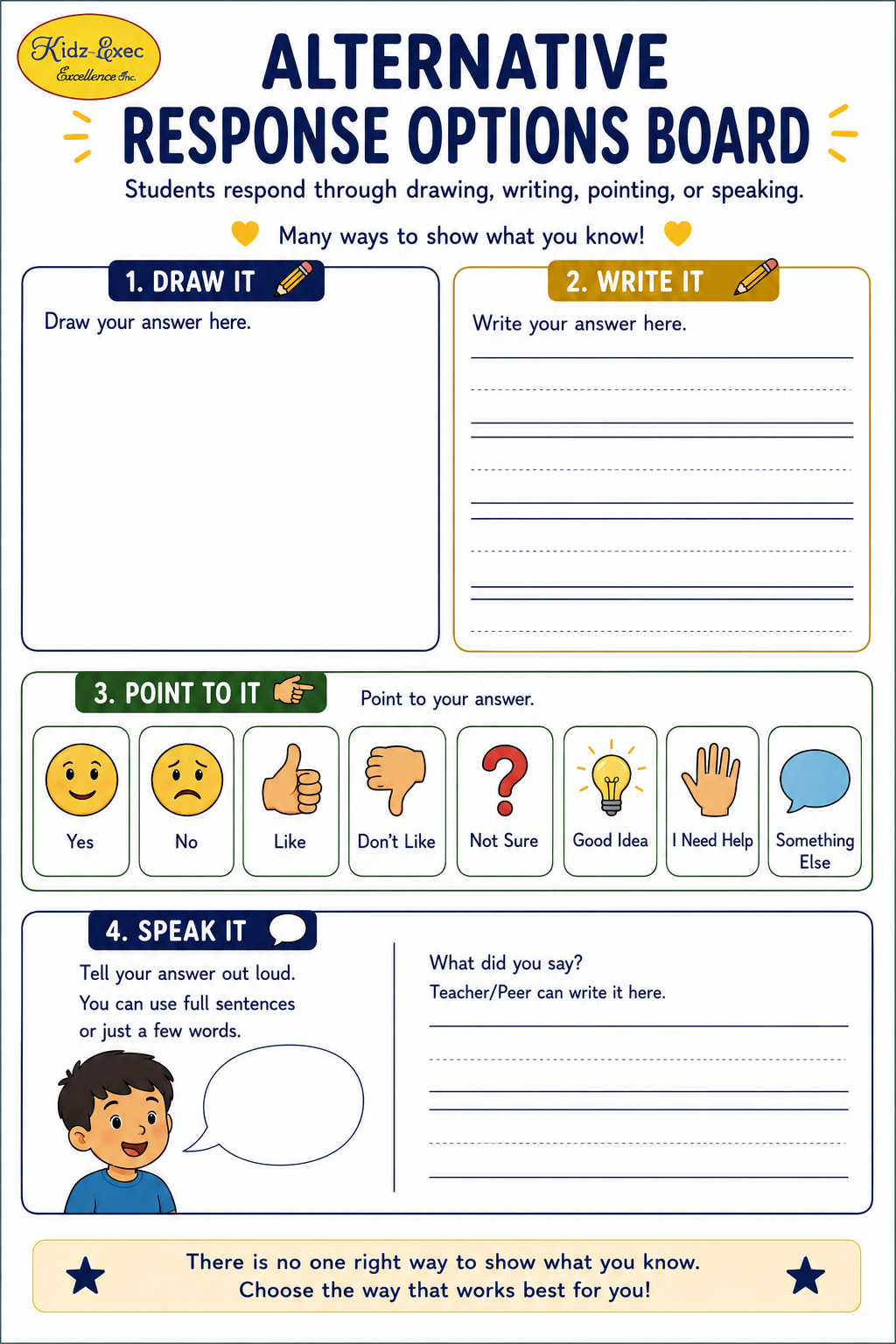
The Alternative Response Option Board helps K–3 students participate through drawing, writing, pointing, or speaking without pressure.
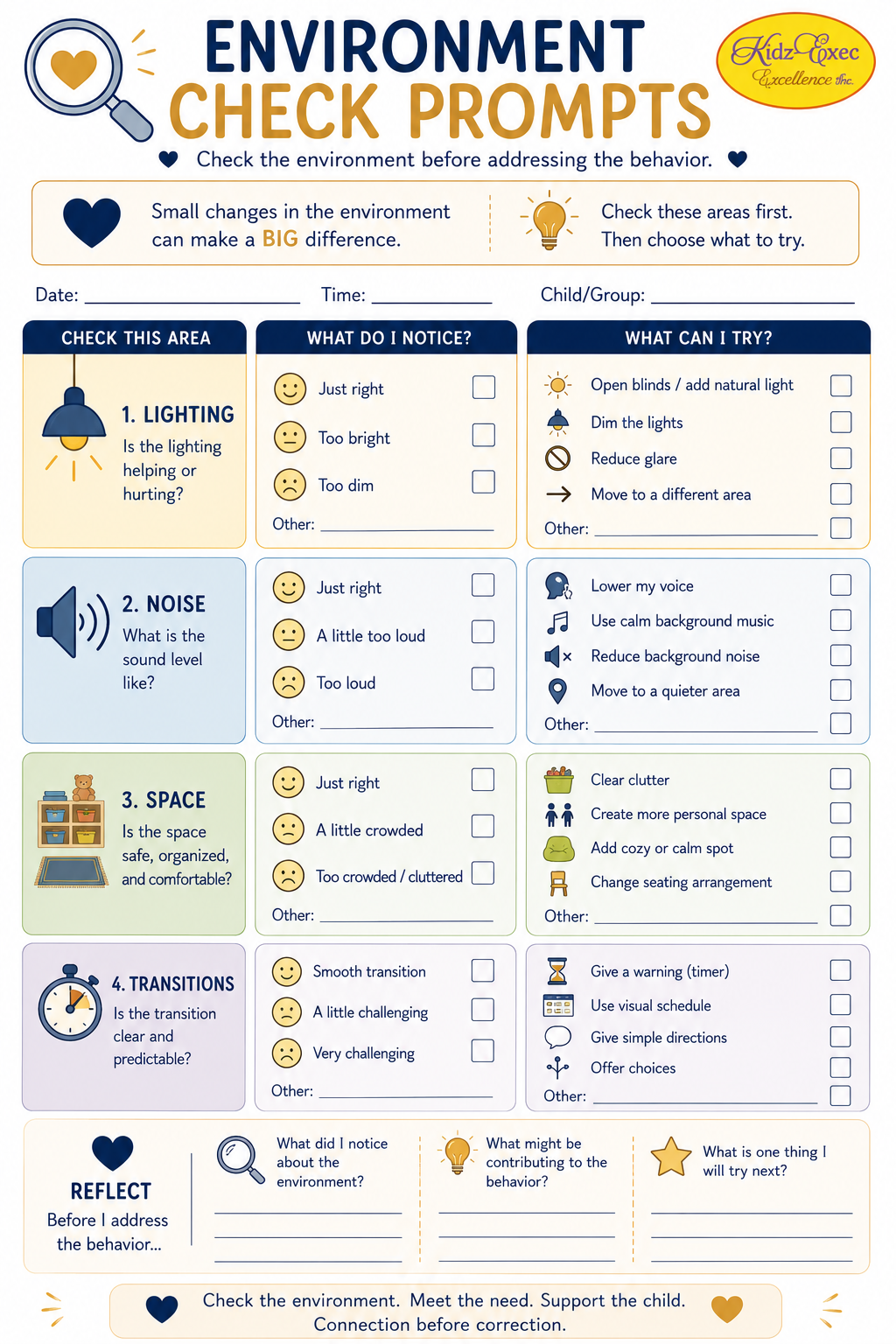
The Environment Check Prompt helps preschool educators reflect on classroom factors like lighting, noise, spacing, and transitions before addressing behavior.
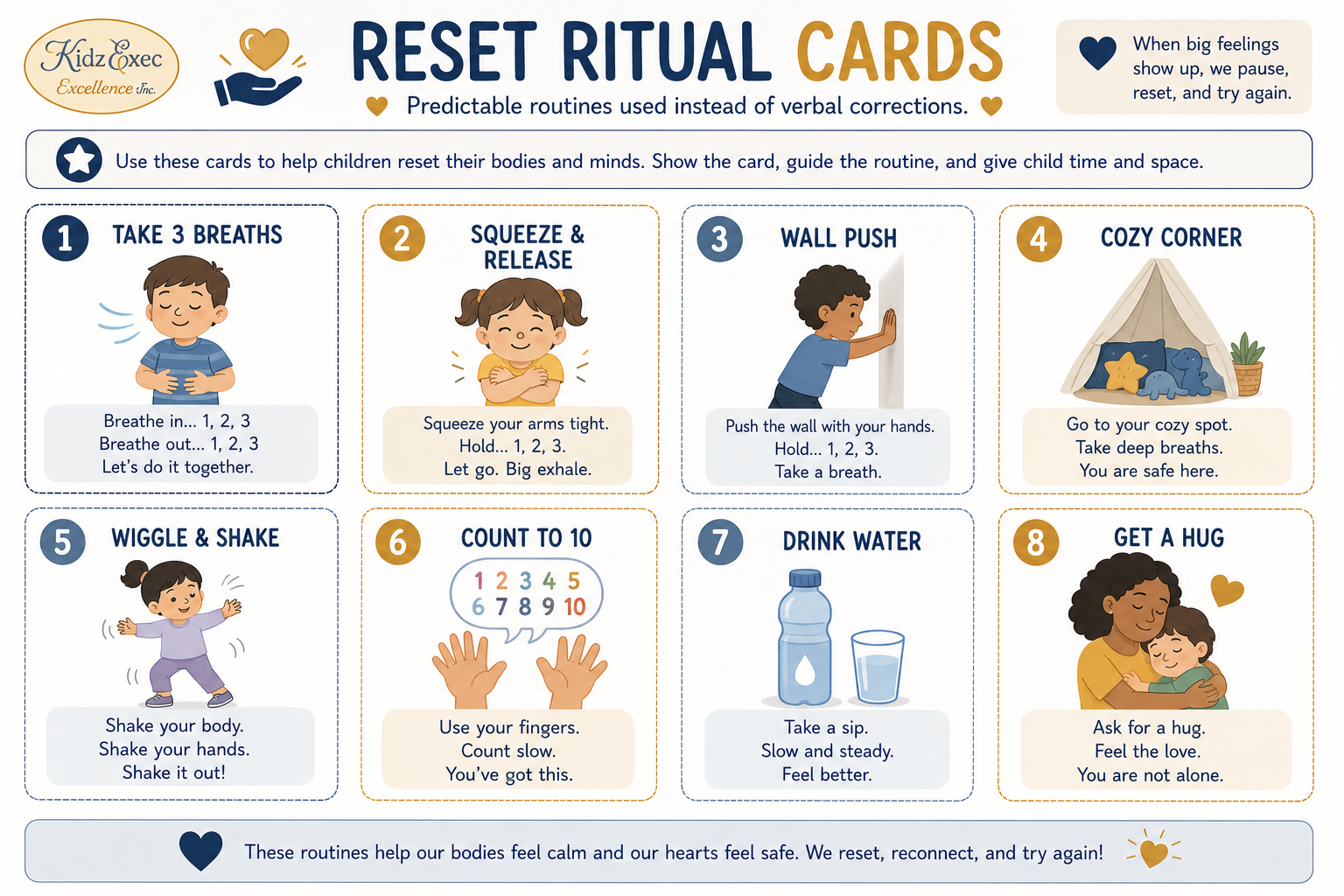
The Reset Ritual Cards help preschool educators use calming, predictable routines instead of repeated verbal correction to support regulation and connection.
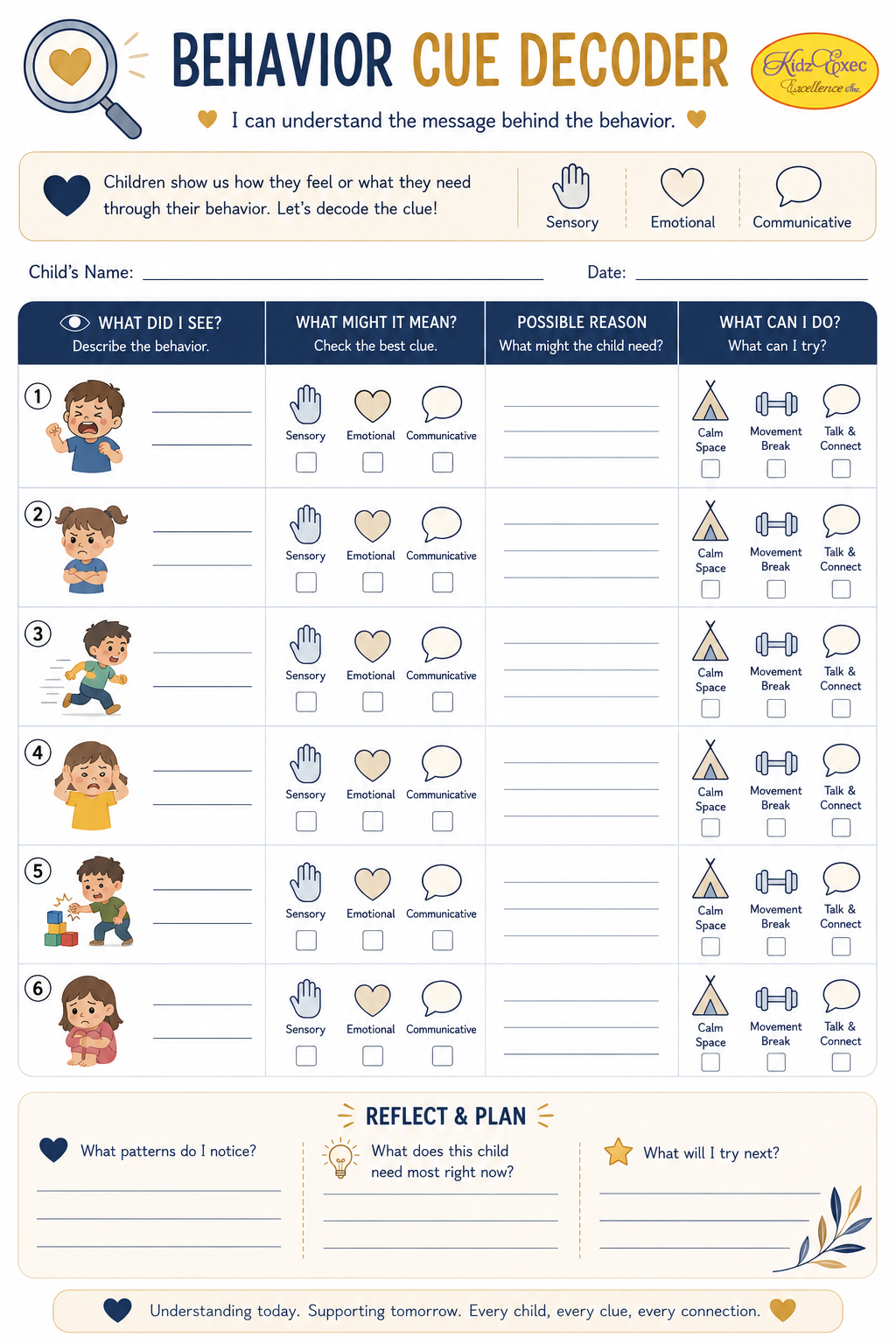
The Behavior Cue Decoder helps preschool educators reflect on whether challenging behavior may be sensory, emotional, or communicative before responding.
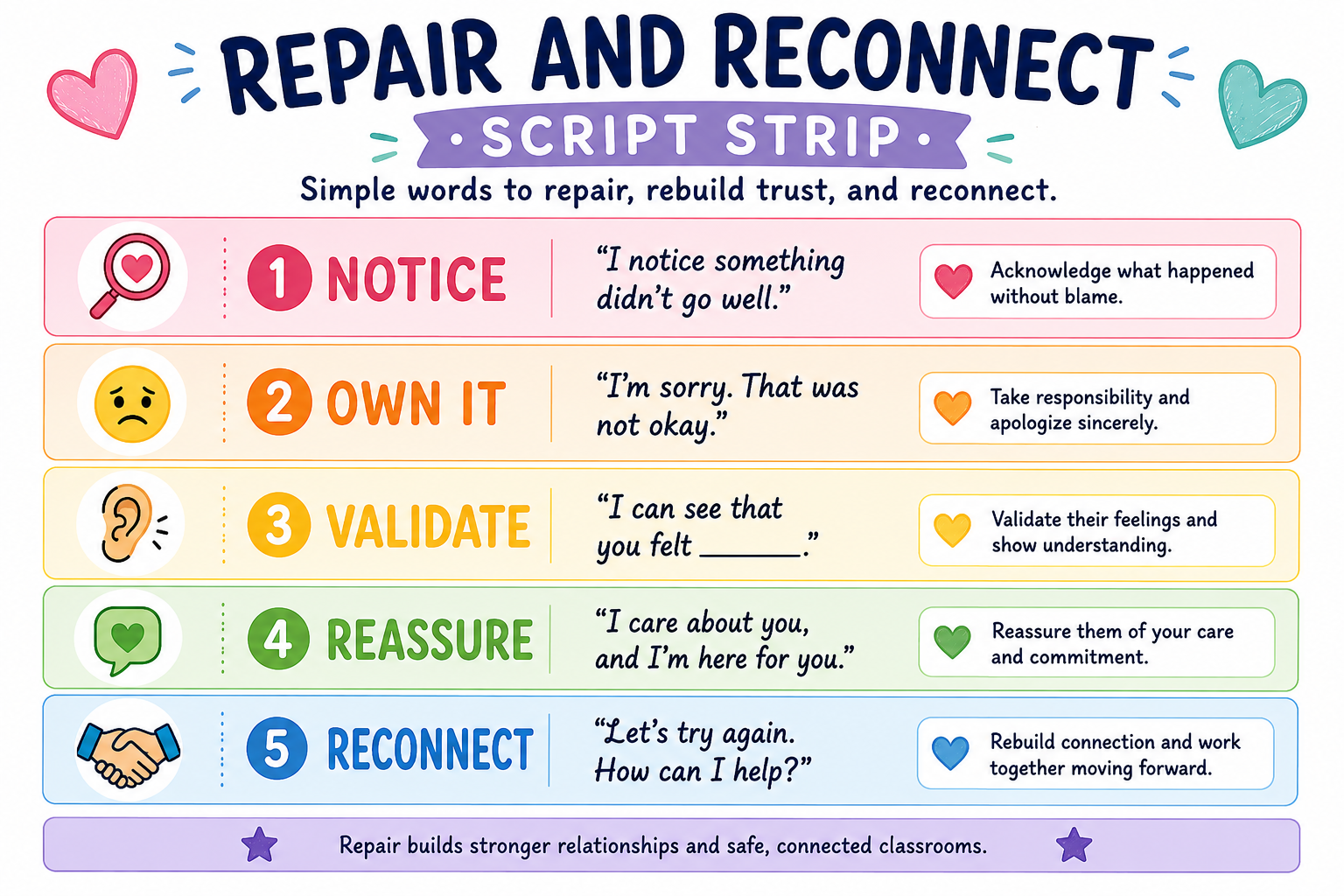
Healthy teacher-child relationships are not built on perfection, they are built on repair, trust, and reconnection. The Repair and Reconnect Script Strip gives educators simple language tools to rebuild connection after difficult moments.
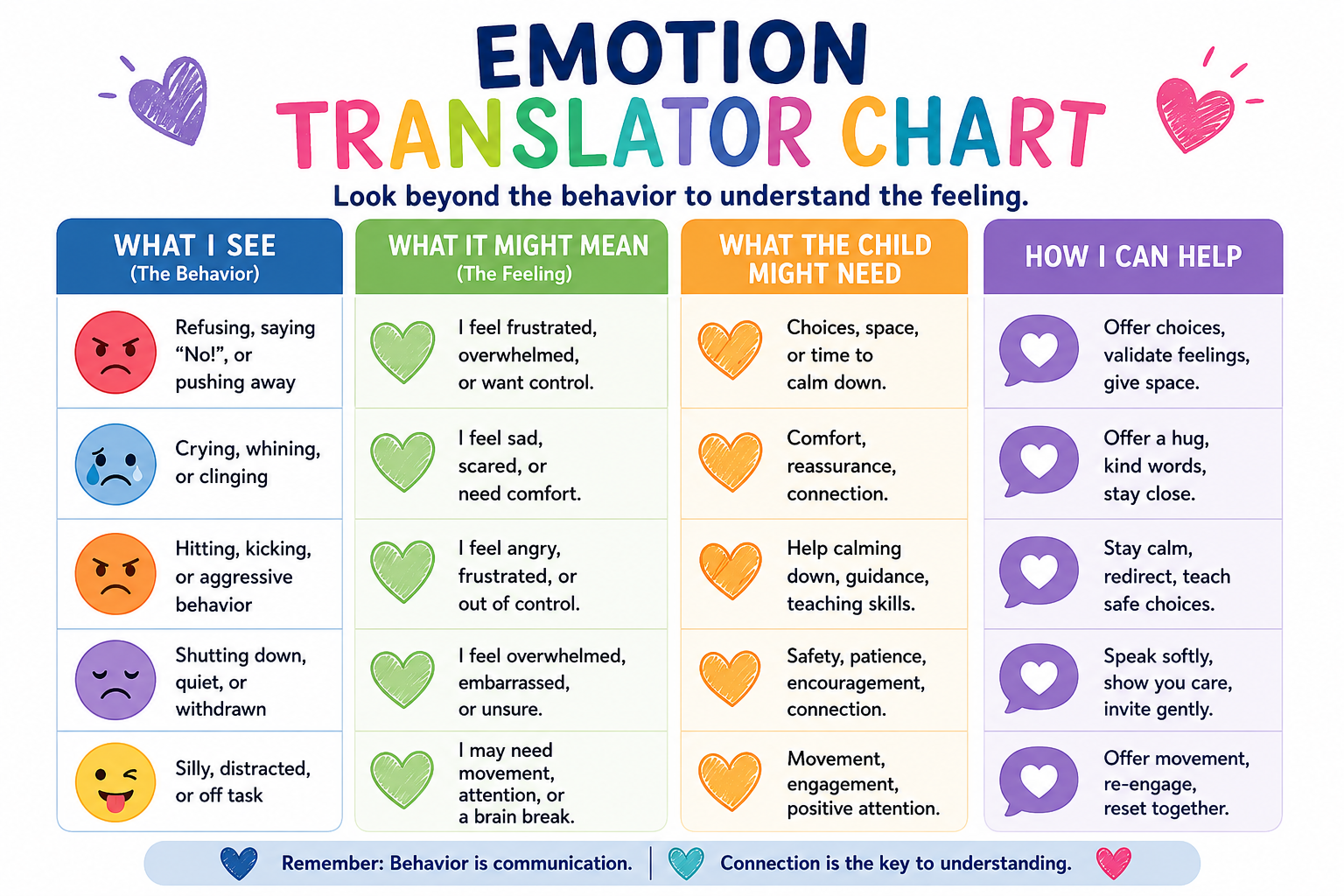
Children often communicate emotions through behavior before they can explain them with words. The Emotion Translator Chart helps educators look beyond challenging behaviors and respond with empathy, understanding, and emotional support.
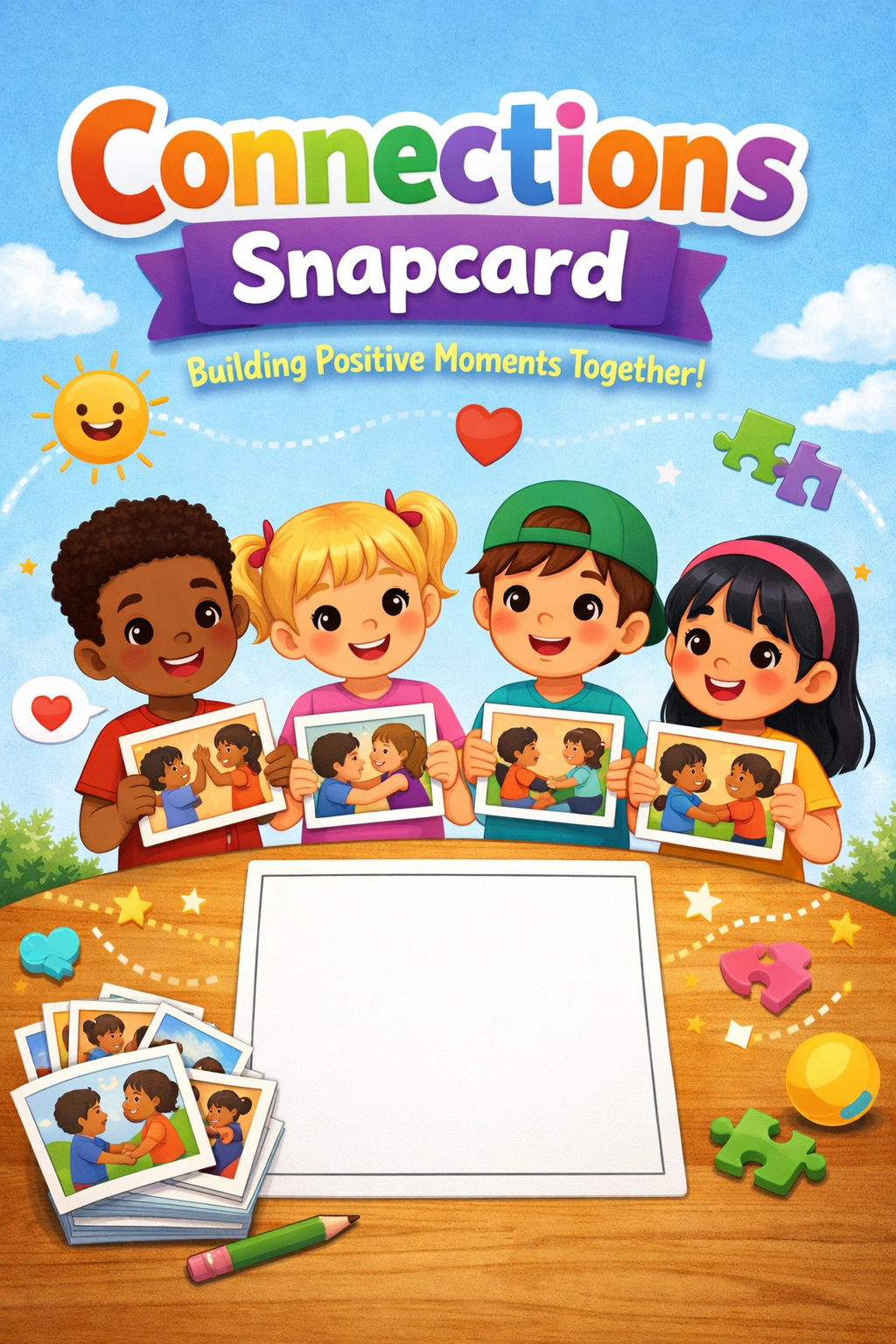
Sometimes the most meaningful classroom moments happen in seconds. Connection Snapshot Cards help teachers pause, notice, and intentionally strengthen positive teacher-child interactions through simple reflective prompts that build trust, belonging, and emotional connection.
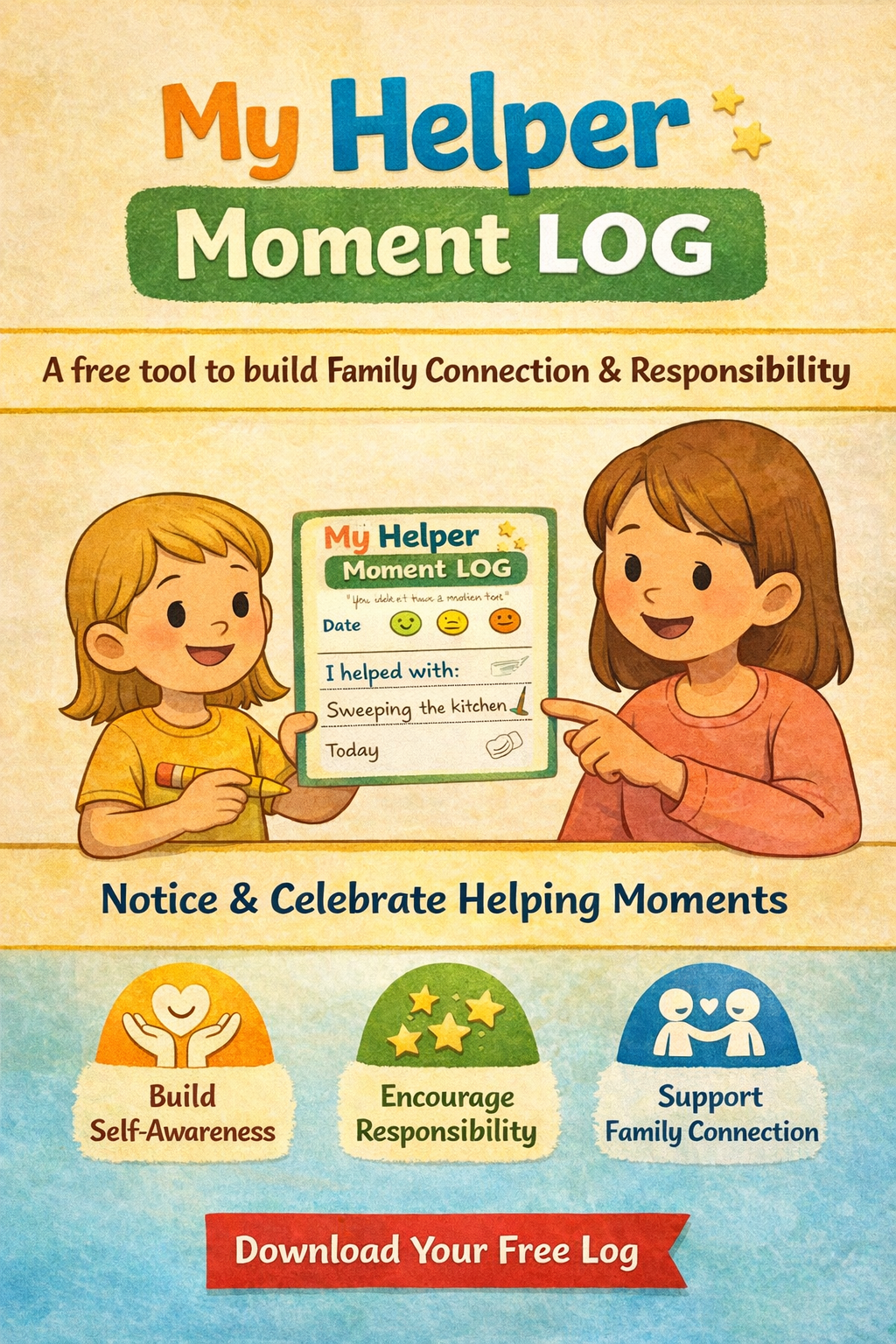
A reflective family activity that helps children recognize their contributions and build confidence through helping.