
Featured
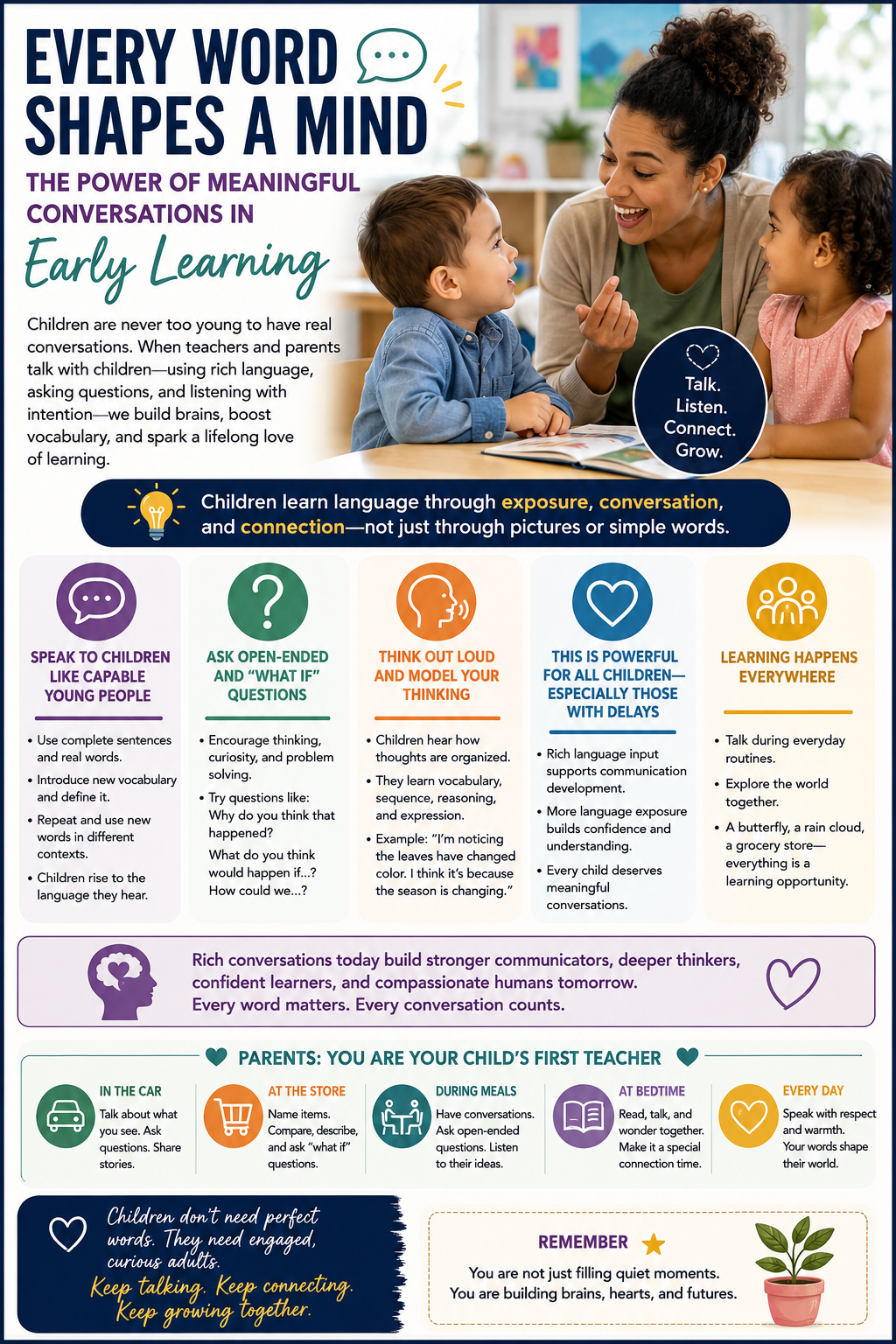

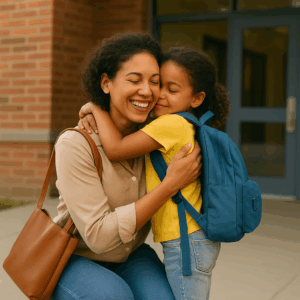
Young children learn language, confidence, curiosity, and critical thinking through meaningful conversations with the adults around them. This blog explores why teachers and parents should speak to children using rich vocabulary, open-ended questions, and real conversations, even at a very young age, and how those everyday interactions help strengthen communication, comprehension, and early learning development.
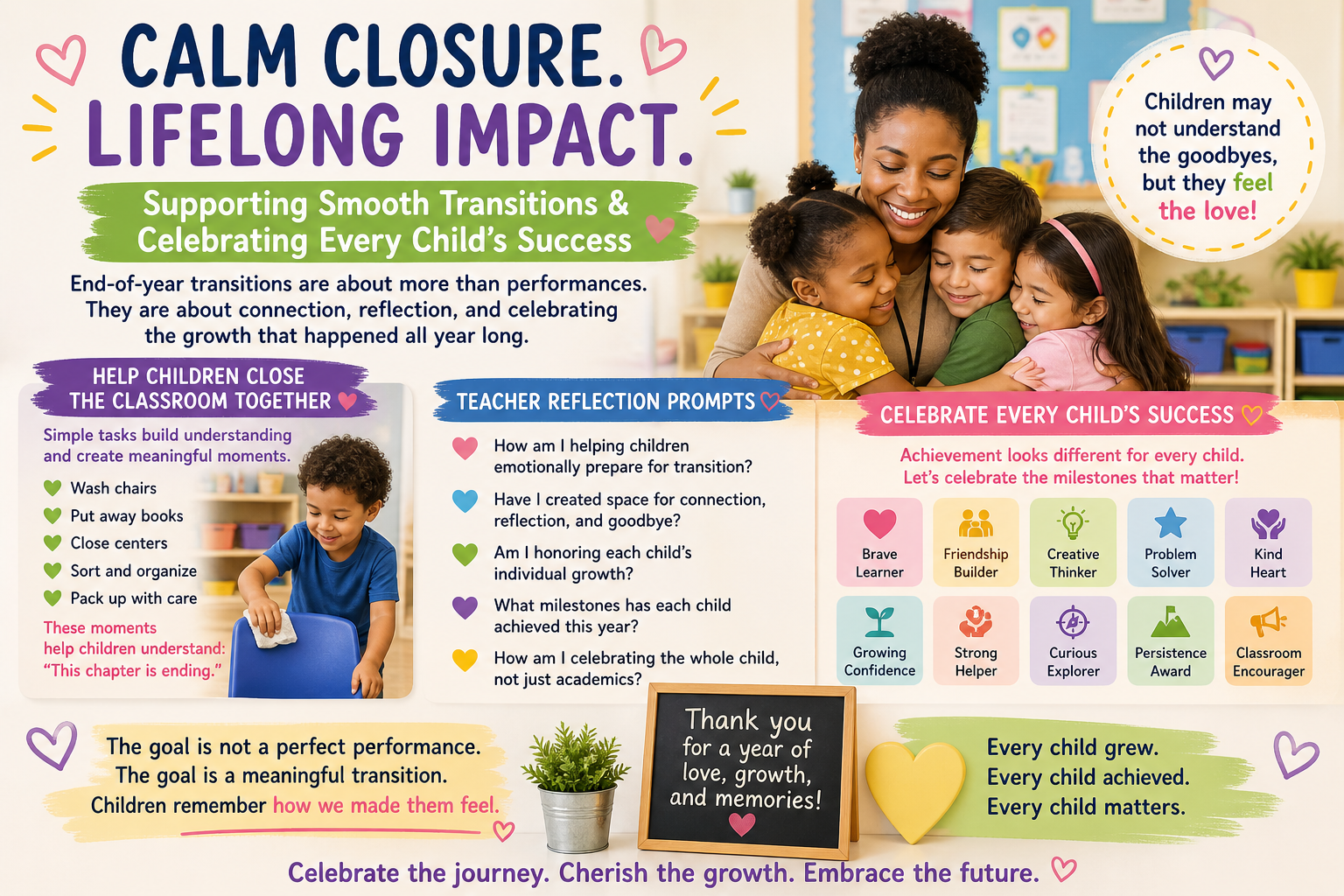
End-of-year transitions in early childhood classrooms should be about more than performances and graduation programs. In this KidzExec Excellence blog, explore how teachers and families can support calm closure, emotional connection, and meaningful celebrations that honor each child’s unique developmental growth and achievements.
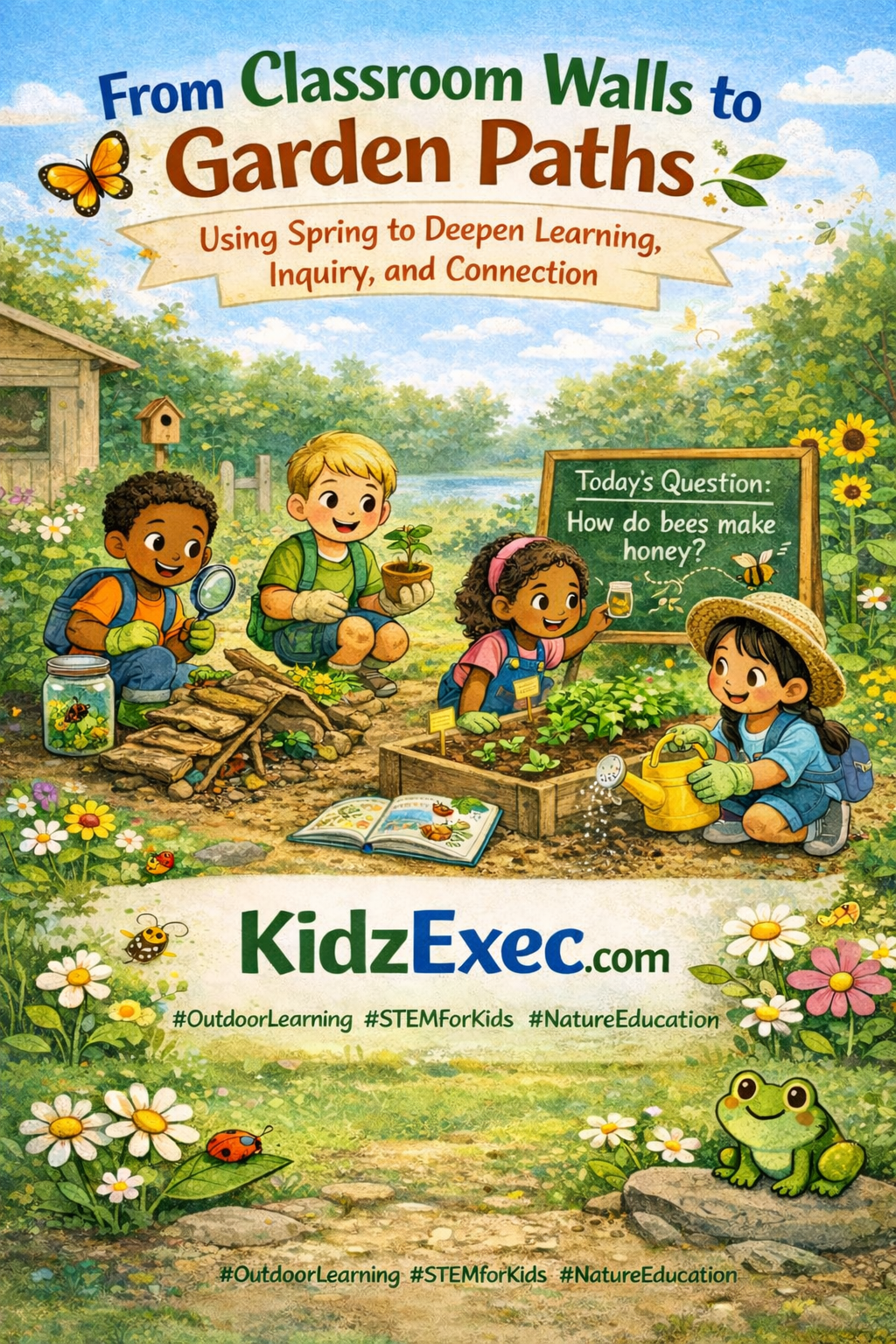
Spring invites us to step beyond classroom walls and into real-world learning. In this reflection, we explore how nature-based experiences, planting, observing insects, and understanding pollen, help children build curiosity, responsibility, and connection. When children engage with the earth, learning becomes meaningful, hands-on, and deeply rooted in discovery.
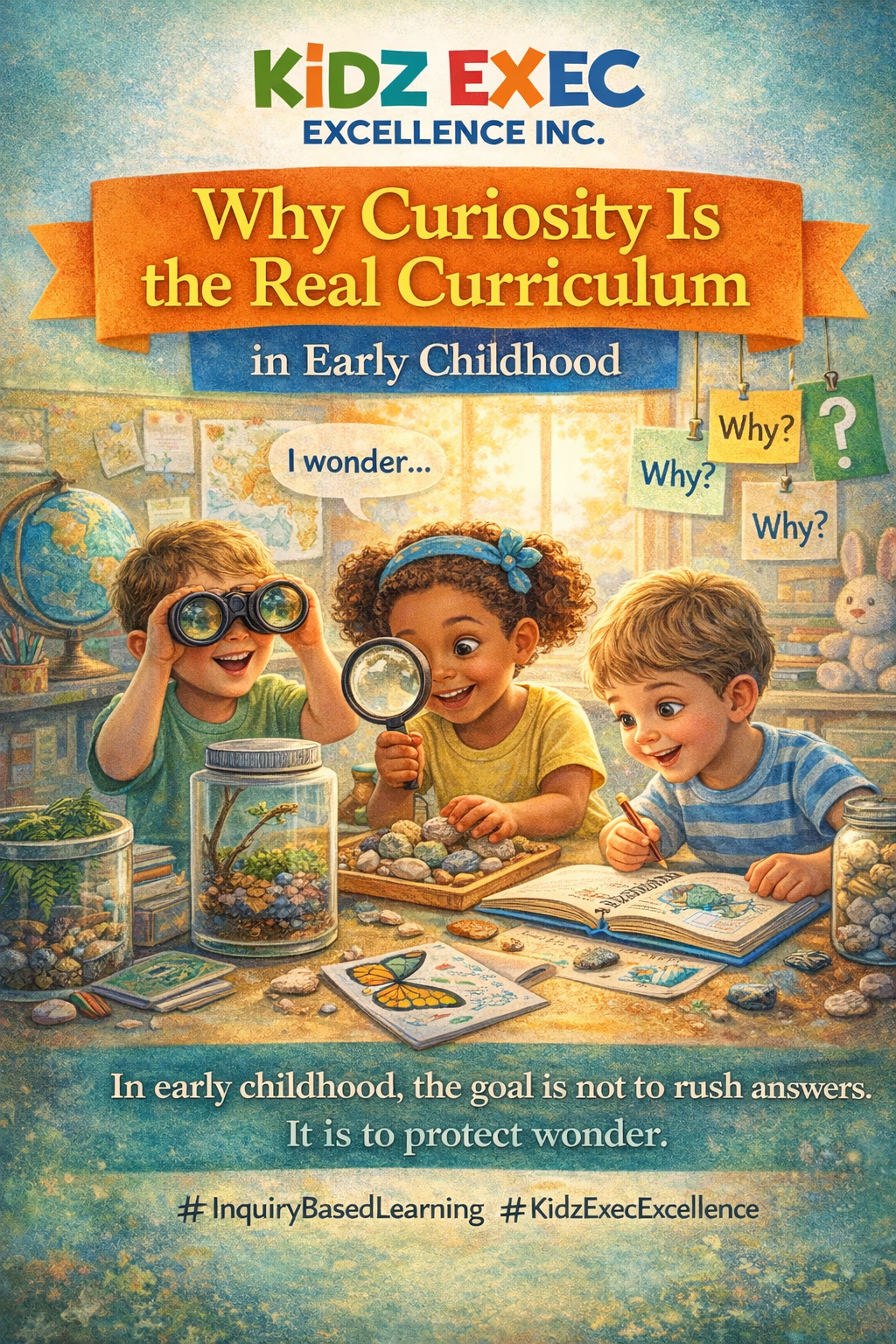
In early childhood, the most powerful curriculum is not found in a binder, it lives in a child’s question. Before children can master literacy or math, they must first learn to wonder. This reflection explores why curiosity is the foundation of executive function, confidence, and critical thinking, and how classrooms can intentionally protect it.
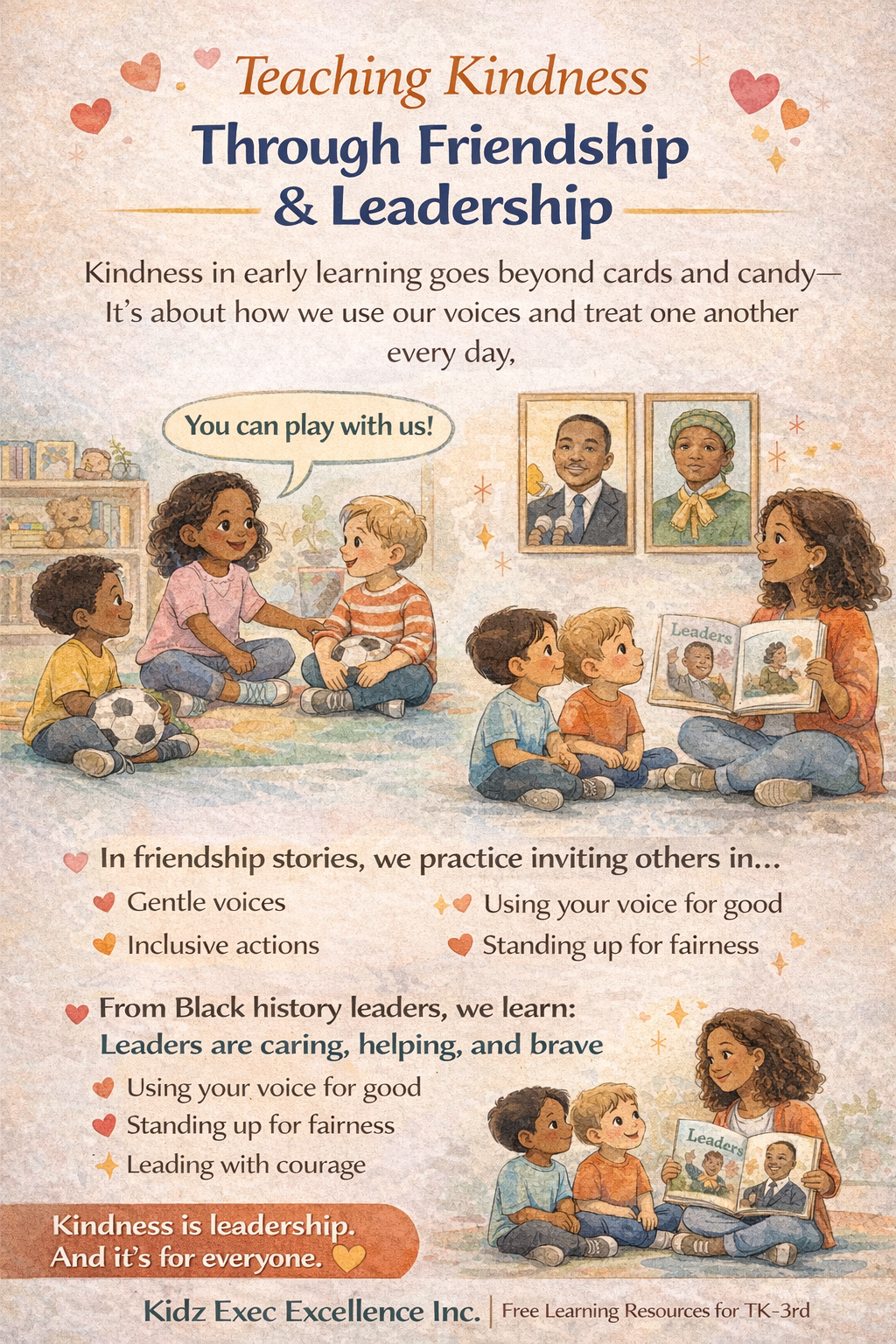
Kindness is not something children simply learn by being told, it is something they experience through friendship, guidance, and everyday classroom moments. When educators intentionally model leadership through empathy, cooperation, and inclusion, children begin to understand that kindness is both a choice and a responsibility. Teaching kindness through friendship helps young learners see themselves as leaders who care for others.
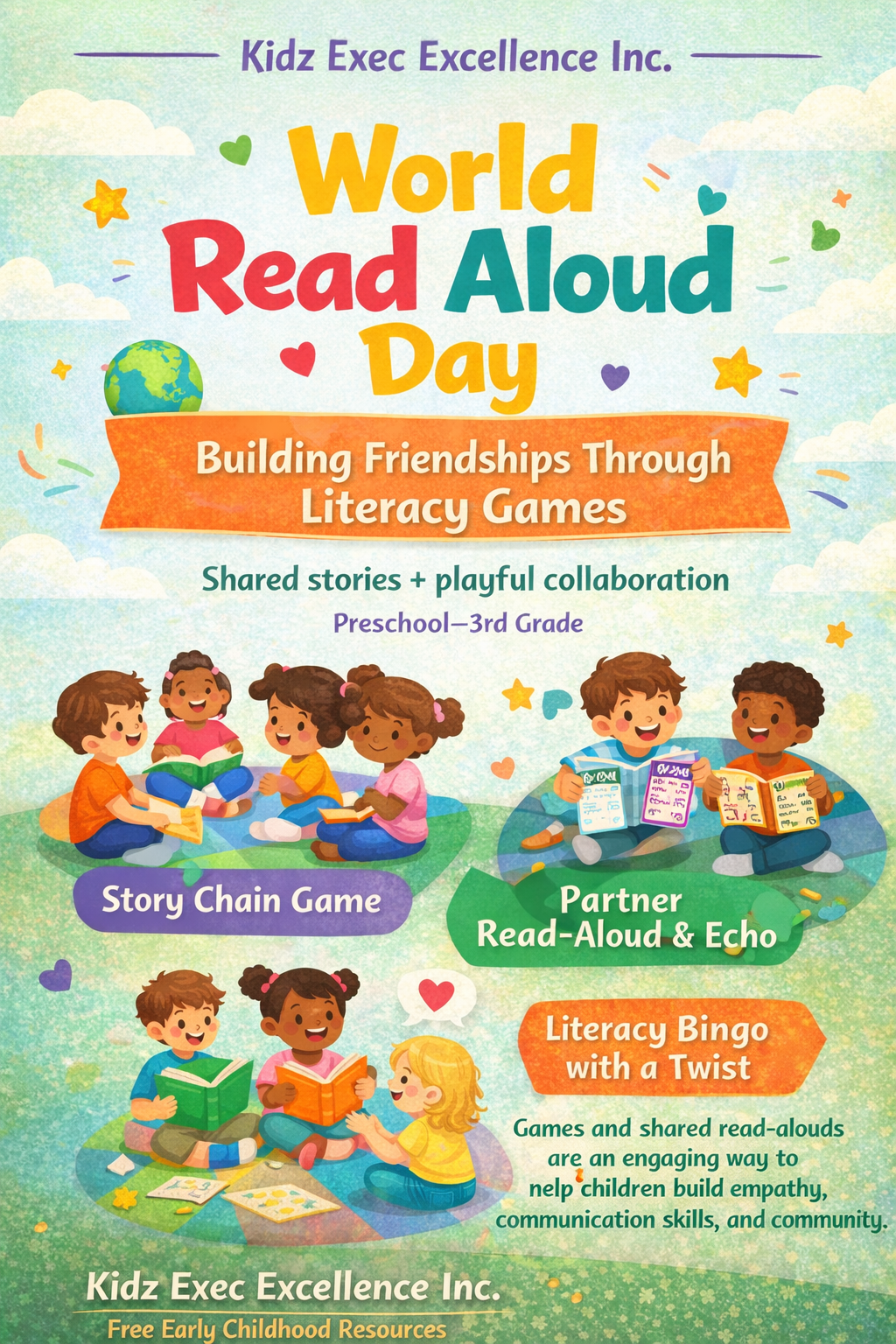
World Read Aloud Day is more than a celebration of books. This post explores how read alouds and literacy-based classroom games can help preschool through 3rd-grade children build friendships, communication, and community.
Small Focus, Big Gains: Growing Attention in Pre-K
Attention doesn’t just “switch on” for young children, it develops like a muscle, little by little, with practice and consistency. This blog explores why building focus in Pre-K matters, what families and educators can watch out for, and how small, intentional steps can lead to big results. From simple routines to consistent cues at home and school, discover how to help children strengthen their attention skills in ways that feel natural, encouraging, and developmentally appropriate.
This post helps parents understand how to identify if their child may need additional developmental support during their first months of school. It explains the role of teacher check-ins, developmental assessments like the ASQ-3, ASQ: SE-2, and DRDP (2015), the importance of early intervention, and why staying engaged with the school ensures children receive the support they need to thrive.
This post offers practical tips to help parents prepare their child for the first day of school. From starting conversations weeks in advance to visiting the classroom ahead of time, it covers how to answer questions, keep goodbyes short and positive, be consistent with pick-up times, choose comfortable clothing for learning, and build a strong relationship with the teacher. These strategies help children feel confident, secure, and ready to thrive in their new school environment.